Enterprise Services
From Access Point to Asset: The ROI of Security Entrances
How automated security entrances and proactive maintenance deliver ROI, reduce costs and enhance protection for modern facilities.
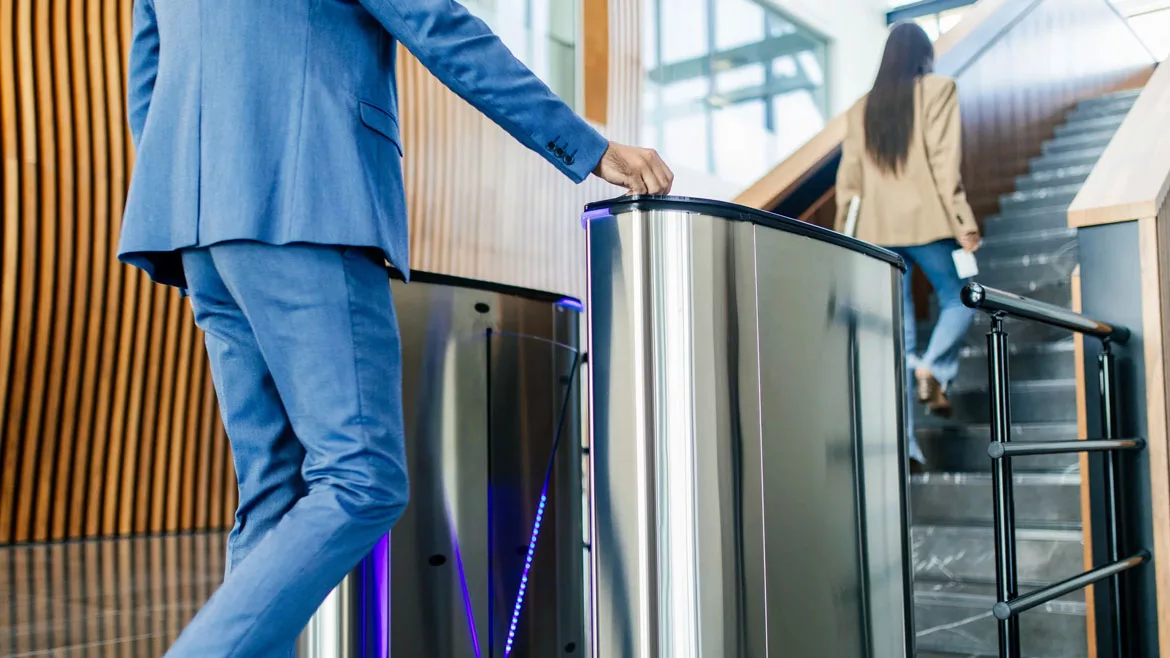
When it comes to securing a facility, the entrance is more than a doorway. It’s the first line of defense and a critical business asset. Yet in many boardrooms, security entrances are often viewed as a cost center rather than an investment. Today’s security leaders have an opportunity to shift that narrative by demonstrating how modern entrance solutions deliver tangible, long-term value for the business.
Security entrances, such as optical turnstiles, security revolving doors, and mantrap portals, offer far more than controlled access. These systems directly advance corporate goals like cost reduction, regulatory compliance, operational efficiency and brand protection. And when paired with structured service agreements and preventative maintenance, they maximize uptime while minimizing risk and expense.
Enhancing Security, Reducing Operational Costs
One of the clearest paths to return on investment (ROI) is through automation. Unsupervised security entrances reduce or eliminate the need for on-site guards at building access points. This significantly reduces labor costs while improving consistency. Unlike a human, a security portal won’t wave someone through without proper credentials, and it never takes a break. By physically preventing tailgating and enforcing single-person entry, these systems close one of the most persistent gaps in access control.
In high-security environments, such as data centers or R&D labs, mantrap portals provide multi-factor authentication and biometric scanning, offering unmatched control over who gains entry. In corporate lobbies, optical turnstiles with barriers offer a sleek yet secure solution that seamlessly integrates into modern design while helping to detect and deter unauthorized entry attempts.
By reducing human error, these systems not only enhance security but also free up security personnel to focus on higher-value tasks like threat detection, emergency response, or investigations, all of which align better with the organization's overall risk posture.
The Real Cost of Downtime
Even the most advanced entrance system can become a liability if it fails. A non-functioning revolving door or turnstile can cause delays and also jeopardize your physical security and operational continuity. In some cases, the result is a facility left unsecured or reliant on expensive, temporary security staff.
Security leaders need to frame entrance uptime as part of business continuity planning. A disruption in access control can slow down productivity, damage employee and visitor confidence, and even result in regulatory noncompliance if sensitive areas are left vulnerable. That’s why proactive, preventative maintenance is more than a “nice to have.” It’s an essential part of protecting your investment and your facility.
Service Agreements: A Better Way to Maintain Security Assets
A structured service agreement delivers predictable support, reduces long-term costs, and extends the life of your entrance equipment. By locking in routine inspections, diagnostics, and updates, organizations can stay ahead of issues instead of reacting to them.
Preventative maintenance includes tasks like lubricating moving parts, replacing worn components, running diagnostic tests and updating firmware — all of which are necessary for ensuring security entrances operate as designed. It also means maintaining compliance with safety and emergency egress standards, ensuring the system supports evacuation protocols and meets regulatory expectations.
Customized service agreements allow for flexibility based on traffic volume, entry type and risk tolerance. For instance, a high-traffic corporate headquarters may require quarterly inspections, while a low-traffic server room might only need bi-annual servicing. In both cases, scheduled support minimizes downtime and protects against costly emergency repairs
Sustainability and Intelligent Upgrades
Another factor gaining attention with the C-suite is sustainability. Security entrances can support green building goals by reducing energy loss, particularly revolving doors and portals that help maintain indoor climate control. Moreover, retrofitting older systems with new technology (rather than replacing them) supports waste reduction and extends product lifecycles.
A cradle-to-cradle approach for security entrances supports ESG goals while boosting ROI. By maintaining and upgrading existing systems through proactive care, organizations can reduce capital expenditures, prevent hardware from being sent to landfills, and preserve the aesthetics and functionality of their current infrastructure.
The Business Case for Security Entrances
Security leaders must speak the language of business to earn executive buy-in. That means quantifying the benefits of entrance systems in terms of reduced labor costs, lowered risk of breach, extended product life, regulatory compliance, and brand reputation. A single tailgating incident that leads to data loss or theft can cost far more than the price of an optical turnstile or portal. Preventing such incidents isn’t just about security, but also about risk management and financial prudence.
Ultimately, modern security entrances are more than technology upgrades. They are strategic assets that improve protection, streamline operations, and reinforce an organization’s image. With a structured service plan and long-term maintenance, they deliver reliability, compliance, and measurable business value.
By positioning security entrances within the broader business value conversation, security leaders can elevate their role and clearly show the C-suite how these systems protect both the facility and the bottom line.
Looking for a reprint of this article?
From high-res PDFs to custom plaques, order your copy today!