From Farm to Table: Securing the Future of Agriculture with Innovative Technology
A look at the critical role security plays in keeping today’s agriculture industry strong.
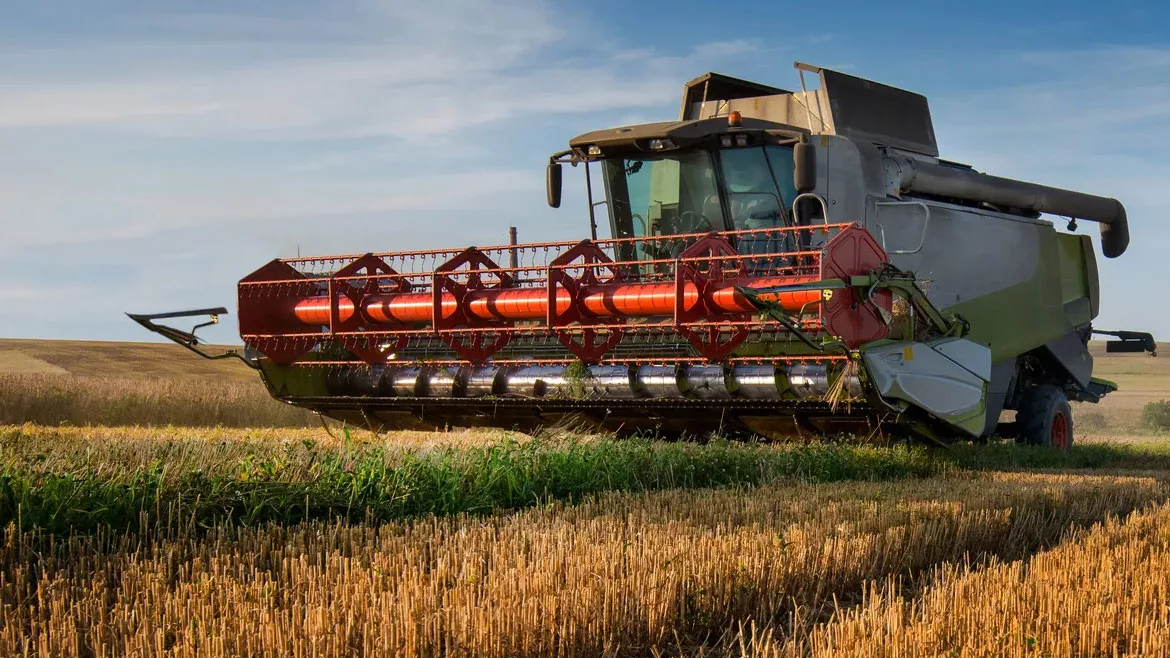
In 2003, the United States government reclassified food and agriculture as a critical infrastructure sector, underscoring the outsized impact food production and distribution has on both national security and the overall health of the economy. Protecting the industry is a high priority for regulators, but agriculture comes with a wide range of safety and security challenges — from monitoring crops for signs of disease to maintaining quality assurance in food packaging plants. It’s a vast industry — one that touches everything from energy production to transportation — and there is no “one-size-fits-all” solution capable of addressing every potential threat.
Fortunately, those in the agriculture industry now have access to advanced solutions that can help them not only improve the security of their locations, but the safety of their workers and quality of their products as well. Today’s advanced video analytics capabilities devices like thermal cameras are helping to improve the safety and security of the agriculture industry at every stage of the supply chain. From farms to grocery stores, modern security devices are helping to keep the agriculture industry running smoothly and safely.
Leveraging Surveillance to Protect Upstream Assets
Agriculture is highly dependent on other industries — including water. Growing crops and raising livestock require vast amounts of it, making access and water quality critical concerns. Tainted water can cause plants and animals to die or introduce diseases that could be harmful to consumers. As a result, many municipalities now use devices like fixed cameras, radar detectors and other sensors to monitor reservoirs for trespassers, drone activity and other potential signs of abnormal behavior. If suspicious activity is detected, these devices can alert the appropriate personnel to investigate the situation and test the water for potential contaminants. These devices can also help with disaster preparedness, monitoring water levels and tracking flood propagation to enable a more effective emergency response.
From a traditional security standpoint, it’s also important to consider the highly valuable equipment used on today’s farms. Autonomous farming equipment is becoming increasingly common, and it is not unheard of for criminals to break into facilities to steal expensive harvesting equipment — or even just the advanced GPS systems that allow them to function. Modern video and audio analytics can look for evidence of intruders (or sounds like breaking glass) and alert law enforcement immediately, significantly improving response times while also gathering important forensic evidence. Surveillance devices also play a critical compliance role: certain crops, such as bioengineered foods, are strictly regulated, and growers need the ability to control who has access to them and when.
The agriculture industry is sprawling, and there are countless opportunities to use modern security capabilities to make measurable improvements to safety and security.”
Resources like fertilizers also represent a potential danger and need to be kept secure. Fertilizers are often highly toxic and flammable, which means appropriate security precautions need to be taken during production, transportation, and storage. Failure to properly monitor the storage conditions for fertilizer can lead to large-scale disasters, so limiting access to storage facilities and monitoring for signs of danger is essential. Fertilizers play a critical role in keeping farms around the world producing high quality food, which means keeping the supply of fertilizer safe is an underappreciated element of agriculture security.
Maintaining High Health and Safety Standards
Speaking of producing high quality food, crop health is also a critical concern for growers — and devices like thermal cameras are playing a growing role in helping farmers identify signs of disease and crop degradation. Using advanced video analytics, these cameras can examine plants for abnormal energy signatures that may indicate the early stages of a disease that has yet to manifest external signs. This allows farmers to proceed more efficiently and cost effectively, targeting only the affected plants instead of treating the entire crop. Thermal cameras can also monitor the moisture level of the soil, allowing farmers to selectively water their crops. This helps prevent overwatering, which allows farmers to reduce their costs, keep their crops healthy, and proceed in an environmentally conscious manner.
Of course, the health and safety of human beings is a high priority in the agriculture industry, and modern security devices play an important role in protecting employees. Sensors deployed around augers and other dangerous equipment can play an audio alert if someone wanders too close. Cameras can be used to monitor proper protective equipment in dangerous areas and can even look for abnormal behavior in farm workers that might indicate an injury or other health concern. Within grain silos and processing plants, thermal cameras can identify temperature spikes that often precede disaster. For example, grinding corn can create highly flammable conditions, and thermal cameras can monitor the temperature of the equipment in the room to ensure it doesn’t ignite particles in the air.
Downstream, maintaining the safety of food throughout the transportation and distribution process is also critical. Cameras can be used to ensure workers at packaging plants are wearing masks, gloves, and other necessary equipment, and thermal devices can minimize the risk of food spoilage by ensuring that transportation and storage facilities remain appropriately refrigerated, raising alerts if temperatures rise above a certain threshold. The same procedures can be followed in grocery stores and restaurants themselves, ensuring that food maintains a maximum level of freshness from the moment the first seed is planted to the final bite of the meal.
Safety and Security at Every Level of Agriculture
The agriculture industry is sprawling, and there are countless opportunities to use modern security capabilities to make measurable improvements to safety and security. Farmers want to keep their equipment secure and their employees safe. Storage facilities want to limit spoilage. Distributors and packagers want to maintain compliance. Grocery stores want to maintain freshness. And everyone — at every stage — wants to ensure high quality food is reaching consumers. From protecting the water supply and maintaining fertilizer safety to monitoring soil quality and preventing disease, security plays a major role in keeping today’s agriculture industry strong.
Looking for a reprint of this article?
From high-res PDFs to custom plaques, order your copy today!