Security Magazine logo
search
cart
facebook twitter linkedin youtube
  • Sign In
  • Create Account
  • Sign Out
  • My Account
Security Magazine logo
  • NEWS
    • Security Newswire
    • Technologies & Solutions
  • MANAGEMENT
    • Leadership Management
    • Enterprise Services
    • Security Education & Training
    • Logical Security
    • Security & Business Resilience
    • Profiles in Excellence
  • PHYSICAL
    • Access Management
    • Fire & Life Safety
    • Identity Management
    • Physical Security
    • Video Surveillance
    • Case Studies (Physical)
  • CYBER
    • Cybersecurity News
    • More
  • BLOG
  • COLUMNS
    • Career Intelligence
    • Cyber Tactics
    • Cybersecurity Education & Training
    • Leadership & Management
    • Security Talk
  • EXCLUSIVES
    • Annual Guarding Report
    • Most Influential People in Security
    • The Security Benchmark Report
    • Top Guard and Security Officer Companies
    • Top Cybersecurity Leaders
    • Women in Security
  • SECTORS
    • Arenas / Stadiums / Leagues / Entertainment
    • Banking/Finance/Insurance
    • Construction, Real Estate, Property Management
    • Education: K-12
    • Education: University
    • Government: Federal, State and Local
    • Hospitality & Casinos
    • Hospitals & Medical Centers
    • Infrastructure:Electric,Gas & Water
    • Ports: Sea, Land, & Air
    • Retail/Restaurants/Convenience
    • Transportation/Logistics/Supply Chain/Distribution/ Warehousing
  • EVENTS
    • Industry Events
    • Webinars
    • Solutions by Sector
    • Security 500 Conference
  • MEDIA
    • Interactive Spotlight
    • Photo Galleries
    • Podcasts
    • Polls
    • Videos
      • Cybersecurity & Geopolitical Discussion
      • Ask Me Anything (AMA) Series
  • MORE
    • Call for Entries
    • Classifieds & Job Listings
    • Continuing Education
    • Newsletter
    • Sponsor Insights
    • Store
    • White Papers
  • EMAG
    • eMagazine
    • This Month's Content
    • Advertise
  • SIGN UP!
ColumnsCybersecurityCyber Tactics ColumnLogical SecuritySecurity & Business Resilience

Cyber Tactics

The BCP Proving Ground: A Blueprint for a Successful Test

Test the BCP to ensure the process is organized, insightful and strengthens crisis response capabilities.
By Pam Nigro, Contributing Writer
Business Continuity Plan
ATHVisions / E+ via Getty Images
September 26, 2025

In our last article, we issued a mid-year wake-up call to review and strengthen your Business Continuity Plan (BCP), but a BCP isn’t proven until it’s tested. A paper plan is just theory — its value emerges only under pressure. Now it’s time to move from planning to proving by testing your plan under controlled conditions.

A poorly prepared test can be worse than no test at all — it creates chaos, demoralizes your team, and fosters a false sense of security. This article is your blueprint for preparing to test your BCP, ensuring the process is organized, insightful, and ultimately strengthens your crisis response capabilities.

Why Meticulous Preparation is Non-Negotiable

A full-scale BCP test is a dress rehearsal for disruption. Without clear roles, objectives and logistics, a test can create more risk than insight. Poor preparation can waste time, disrupt live systems, yield vague data or damage team morale.

  • Without proper groundwork, you risk:
  • Wasting Resources: A disorganized test burns time and focus without yielding valuable insights.
  • Disrupting Operations: An uncontrolled test can accidentally impact live systems, creating a real incident.
  • Generating Flawed Data: Vague objectives lead to vague, unactionable lessons.
  • Damaging Team Confidence: A chaotic test can leave participants feeling less prepared and more anxious.

From Tabletop to Full-Scale: Setting the Stage

This progression follows the “crawl-walk-run” model of readiness. Your BCP review process should start with a tabletop exercise — the “crawl” phase. This discussion-based session allows your team to walk through a hypothetical scenario to identify procedural gaps and communication flaws in a low-stakes environment.

Once you’ve addressed the findings from your tabletop, you are ready for a functional or full-scale test — the “walk” or “run” phase. This is an action-based simulation where teams use their actual tools and procedures to respond to a mock disruption, which requires far greater preparation.

Blueprint for Testing: Scope, Objectives and Scenarios

A successful test starts with a detailed plan developed by coordinators and approved by leadership

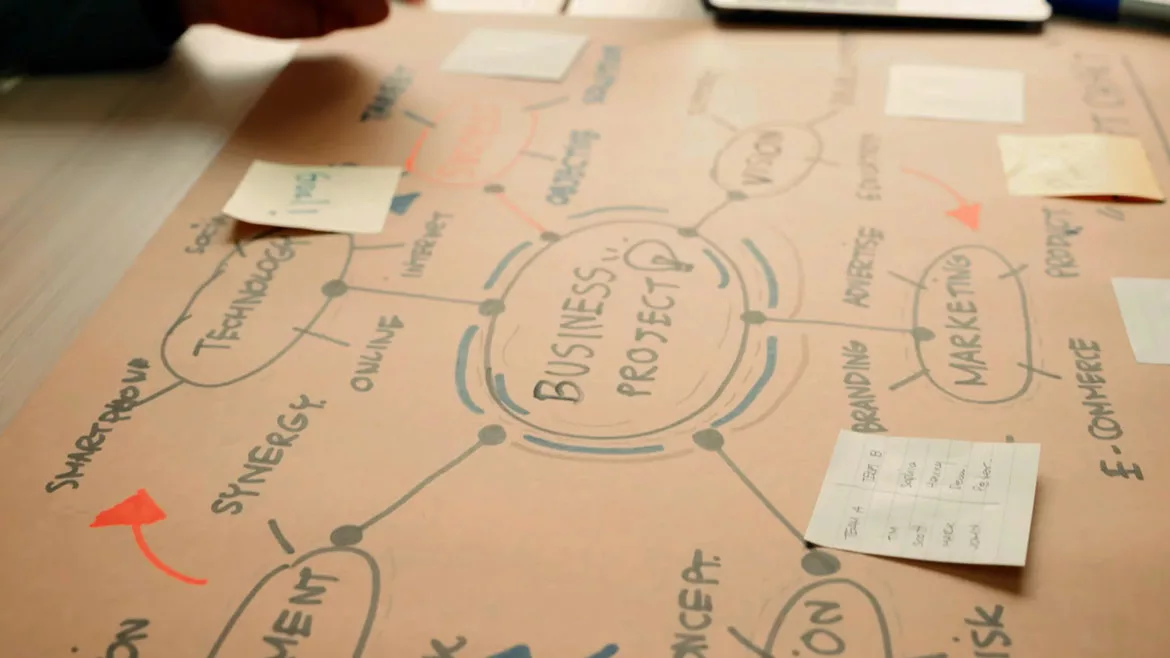
1. Define the Scope: You can’t test everything at once. Decide exactly what is “in play,” whether it’s recovering a single application, testing a department’s response, or simulating a data center failover.

  • Good Example: “This test will simulate a ransomware attack, encrypting our primary CRM database. Scope includes the IT infrastructure and Sales Operations teams. Goals are to validate the data restoration process and confirm sales can use manual workarounds.”
  • Bad Example: “We’re testing our response to a cyberattack.”

2. Set SMART Objectives: Your objectives must be Specific, Measurable, Achievable, Relevant, and Time-bound (SMART). They provide clarity on what success looks like and are the basis for your post-test evaluation.

  • Objective 1: Validate IT can restore the CRM database to the recovery server within the four-hour Recovery Time Objective (RTO).
  • Objective 2: Confirm 95% of the Sales team can be notified and assembled on the emergency communication channel within 30 minutes of incident declaration.
  • Objective 3: Ensure the Sales team can process at least 10 manual orders per hour using documented workaround procedures.

A well-run test doesn’t just validate your plan — it builds confidence, sharpens response, and strengthens organizational resilience.

3. Develop a Realistic Scenario: The scenario should be based on high-priority risks from your assessment. Include a timeline of events and “injects” — pieces of information or challenges introduced to simulate a developing crisis.

Scenario Example: Ransomware Attack

  • 09:00 a.m.: Test begins. IT help desk receives reports that users cannot access the CRM and are seeing strange file extensions.
  • 09:30 a.m.: An inject from the “CISO” confirms a ransomware infection, activating the BCP.
  • 10:30 a.m.: A new inject reveals primary backups have also been compromised, forcing teams to use off-site backups.

Assembling Teams and Defining Roles

  • A structured test team ensures smooth execution:
  • Players/Participants: Actively respond to the mock disruption (e.g., IT staff, department managers).
  • Controllers: Manage the test from behind the scenes, introducing injects and ensuring the exercise stays on track.
  • Evaluators/Observers: Impartial individuals who assess performance against objectives without intervening.
  • It's vital to emphasize that the goal is to test the plan, not the people. A no-blame environment where mistakes are seen as learning opportunities is crucial for an honest and effective test.

Risk Mitigation During Testing

Testing involves inherent risk, but careful preparation minimizes it:

  • Safe Test Environment: Use a sandbox environment for technical recovery tasks. Never test on live systems unless it is a fully planned and isolated failover.
  • Strategic Scheduling: Schedule tests to minimize operational impact and inform non-participating employees to prevent confusion.
  • Clear Communication Protocols: All verbal and written communication during the exercise must start and end with “THIS IS AN EXERCISE” to avoid triggering a real-world panic.

Pre-Test Checklist

  • Test Plan Approved: Scope, objectives and scenario signed off by leadership.
  • Roles Assigned: Players, controllers and evaluators briefed on responsibilities.
  • Logistics Confirmed: Test time, location and technical environments scheduled.
  • Evaluation Criteria Ready: SMART objectives translated into evaluator checklists.
  • Communication Protocols Set: The “THIS IS AN EXERCISE” rule is understood by all.
  • Pre-Test Briefing Held: All participants understand the rules of engagement.

Next Steps: Executing the Test

With your test plan in place, it’s time to move from planning to performance. In the final article of this series, we’ll guide you through executing the test — managing it in real time, leading a focused debrief, and turning lessons learned into concrete improvements.

A well-run test doesn’t just validate your plan — it builds confidence, sharpens response, and strengthens organizational resilience.

Stay tuned for the next article on turning preparation into action.

KEYWORDS: business continuity planning digital security security culture testing security tools

Share This Story

Looking for a reprint of this article?
From high-res PDFs to custom plaques, order your copy today!


Nigro headshot

Pam Nigro is the Vice President of Security and Security Officer at Medecision. She also is an ISACA Board Director and was the 2022-23 ISACA Board Chair. Image courtesy of Nigro

Recommended Content

JOIN TODAY
To unlock your recommendations.

Already have an account? Sign In

  • Iintegration and use of emerging tools

    Future Proof Your Security Career with AI Skills

    AI’s evolution demands security leaders master...
    Columns
    By: Jerry J. Brennan and Joanne R. Pollock
  • The 2025 Security Benchmark Report

    The 2025 Security Benchmark Report

    The 2025 Security Benchmark Report surveys enterprise...
    The Security Benchmark Report
    By: Rachelle Blair-Frasier
  • The Most Influential People in Security 2025

    Security’s Most Influential People in Security 2025

    Security Magazine’s 2025 Most Influential People in...
    Most Influential People in Security
    By: Security Staff
Manage My Account
  • Security Newsletter
  • eMagazine Subscriptions
  • Manage My Preferences
  • Online Registration
  • Mobile App
  • Subscription Customer Service

More Videos

Sponsored Content

Sponsored Content is a special paid section where industry companies provide high quality, objective, non-commercial content around topics of interest to the Security audience. All Sponsored Content is supplied by the advertising company and any opinions expressed in this article are those of the author and not necessarily reflect the views of Security or its parent company, BNP Media. Interested in participating in our Sponsored Content section? Contact your local rep!

close
  • critical event management
    Sponsored byEverbridge

    Why a Unified View Across IT, Continuity, and Security Makes or Breaks Crisis Response

  • Charlotte Star Room
    Sponsored byAMAROK

    In an Uncertain Economy, Security Is a Necessity - Not an Afterthought

  • Sureview screen
    Sponsored bySureView Systems

    The Evolution of Automation in the Command Center

Popular Stories

Red laptop

Security Leaders Discuss SitusAMC Cyberattack

Cybersecurity trends of 2025

3 Top Cybersecurity Trends from 2025

Green code

Logitech Confirms Data Breach, Security Leaders Respond

Neon human and android hands

65% of the Forbes AI 50 List Leaked Sensitive Information

The Louvre

After the Theft: Why Camera Upgrades Should Begin With a Risk Assessment

Top Cybersecurity Leaders

Events

September 18, 2025

Security Under Fire: Insights on Active Shooter Preparedness and Recovery

ON DEMAND: In today’s complex threat environment, active shooter incidents demand swift, coordinated and well-informed responses.

December 11, 2025

Responding to Evolving Threats in Retail Environments

Retail security professionals are facing an increasingly complex array of security challenges — everything from organized retail crime to evolving cyber-physical threats and public safety concerns.

View All Submit An Event

Products

Security Culture: A How-to Guide for Improving Security Culture and Dealing with People Risk in Your Organisation

Security Culture: A How-to Guide for Improving Security Culture and Dealing with People Risk in Your Organisation

See More Products

Related Articles

  • Business Plan

    The Moment of Truth: Conducting Your BCP Test and Capturing Lessons

    See More
  • Blueprint on laptop

    The new security model: A blueprint for successful SASE deployment

    See More
  • Business Continuity Plan

    Your Mid-Year BCP Wake-Up Call: Is Your Business Ready?

    See More

Related Products

See More Products
  • Physical Security and Safety: A Field Guide for the Practitioner

  • security culture.webp

    Security Culture: A How-to Guide for Improving Security Culture and Dealing with People Risk in Your Organisation

  • physical security.webp

    Physical Security Assessment Handbook An Insider’s Guide to Securing a Business

See More Products
×

Sign-up to receive top management & result-driven techniques in the industry.

Join over 20,000+ industry leaders who receive our premium content.

SIGN UP TODAY!
  • RESOURCES
    • Advertise
    • Contact Us
    • Store
    • Want More
  • SIGN UP TODAY
    • Create Account
    • eMagazine
    • Newsletter
    • Customer Service
    • Manage Preferences
  • SERVICES
    • Marketing Services
    • Reprints
    • Market Research
    • List Rental
    • Survey/Respondent Access
  • STAY CONNECTED
    • LinkedIn
    • Facebook
    • YouTube
    • X (Twitter)
  • PRIVACY
    • PRIVACY POLICY
    • TERMS & CONDITIONS
    • DO NOT SELL MY PERSONAL INFORMATION
    • PRIVACY REQUEST
    • ACCESSIBILITY

Copyright ©2025. All Rights Reserved BNP Media.

Design, CMS, Hosting & Web Development :: ePublishing