Keeping staff members safe and sound by optimizing security technology
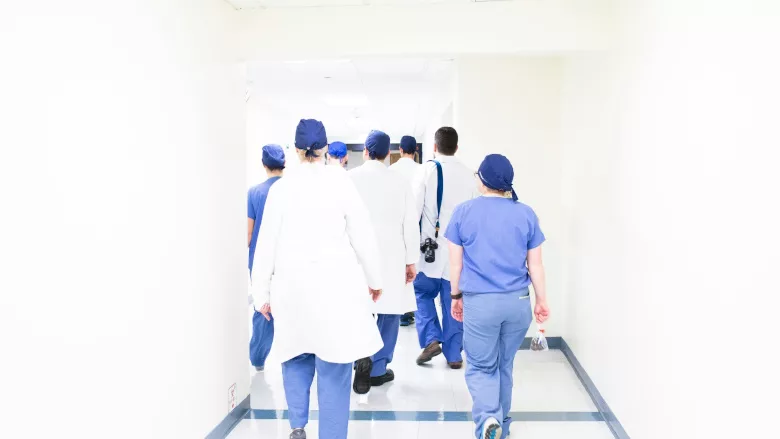
Image via Unsplash
Nobody wants to invest in technology, only to have it go the way of the stationary bike that sits unused in the corner of a room. That holds true for healthcare organization leaders who are looking to invest in staff safety alarm systems that can help avert potentially dangerous situations.
With workplace violence against caregivers increasing 115% since 2021, many healthcare organizations are, indeed, looking to protect workers from harm — and to shield their organizations from resultant financial distress.
Not surprisingly, healthcare organizations are looking to protect their most valuable resource — their staff. As such, investing in a security system is pretty much a given for most. But, how can healthcare organization leaders ensure that the technology will actually be used as intended — and, perhaps more importantly, improve staff engagement and retention while also reducing staff injuries from incidents of workplace violence? Investing in the right technology, ensuring ease of use and providing end-user training can help. It is important to include staff in the evaluation and selection process to ensure they understand how the technology improves their safety and well-being. The more the staff is involved, the more they will embrace the solution.
Taking technological details into account
To start, leaders should consider working with the existing infrastructure that they already have in place. For example, a real-time locating system (RTLS) that is used for nurse call and/or asset tracking functions might be the right platform for emergency response applications. Using an existing platform could help reduce the initial technology spend — and also reduce training costs, as users will already be familiar with the system’s basic functions.
With such a system, the network detects and displays staff members’ location information. Staff members can simply wear an RTLS badge on their uniform, press the button when a potentially dangerous situation presents itself — and security personnel and other co-workers immediately receive notifications, including who, when and where, so the situation can be immediately responded to and addressed.
It's important to use an RTLS solution that provides full, real-time visibility to the location of the staff member needing help — and all staff members on the floor. While knowing the location of the staff member who is in trouble is paramount, knowing the whereabouts of other caregivers, especially those in close proximity, is important to coordinate response efforts as well.
In addition, a system that accurately identifies locations is more likely to elicit trust from the users. The quicker the response the better the outcome. As such, it’s important to implement systems that can update alerts when the person who is in duress changes locations. For example, if a serious incident is in progress, and a nurse is running from the attacker, the security response team can stay on top of the nurse’s movement and latest location.
Data provides insight into very complex issues and enables healthcare organizations to develop strategies to improve key performance indicator results. After the fact, a security response system that can help healthcare organizations better understand violent situations can empower leaders to create strategies that address safety in the workplace. Finally, analytics that offer insights on the who, when, where and what associated with disruptive situations as well as response and resolution times can help leaders know what their organizations are up against and ultimately create violence prevention and remediation strategies that work.
Working well with other healthcare systems
A security response system that integrates with existing technologies can also help improve violence prevention and remediation. For example, security personnel will be able to more effectively respond to situations if when staff members presses the duress button, signals are sent directly to the security system.
Security response systems also can be integrated to:
- Middleware for distribution to mobile devices (not just an app from the vendor that doesn’t know who is on/off shift)
- The nurse call system
- Cameras, prompting the appropriate camera to point in the right direction and focus on unfolding situations
Considering ease of use
Making sure that an RTLS is easy for staff members to use is also key. The Emergency Nurses Association study “2011 Emergency Department Violence Surveillance Report,” identified that 82% of incidents occur inside a patient’s room. Knowing the challenges clinicians face and how fast incidents can escalate, it is absolutely critical for staff to have the ability to quickly and discreetly call for help. Leaders should give preference to wearable devices, instead of desk or wall-mounted systems. With a wearable personal duress device, a staff member can discreetly press a button, whereas using a desk or wall-mounted system requires staff to have the ability and time to get to the location and ultimately take a more obvious action. This could actually escalate the situation.
In addition, staff members are more likely to successfully use a system with just one duress button to press, as opposed to an overly complicated badge that includes multiple buttons for multiple purposes. In the middle of a workplace violence incident, the last thing staff members want to worry about is if they hit the right button or if they sequenced the button presses correctly.
Showing the way
Training staff to optimally leverage all of the technology’s bells and whistles can also help healthcare organizations get the most out of investments. To start, leaders should strive to align staff duress programs to existing processes (e.g., code gray process) to avoid unnecessary change management and signal to staff that they are taking their calls for duress seriously.
In addition, leaders should clearly explain to staff (both security and caregivers) that false button presses are apt to occur. However, they should also train staff on how to wear the badge to reduce accidental button pushes, and offer guidance on how to quickly cancel these erroneous alerts.
By choosing the right security alert system, integrating the technology with other platforms and providing relevant training, healthcare leaders can ensure that they are implementing a system that staff members will optimally use. And, that could help to keep staff members out of harm’s way — an important consideration as ongoing staffing shortages in the healthcare industry threaten to hamper organizational success.
Looking for a reprint of this article?
From high-res PDFs to custom plaques, order your copy today!