The open-source and developer community has adopted Open Policy Agent (OPA) as the de facto standard for authorization.
There are three critical ways OPA can help organizations solve for authorization:
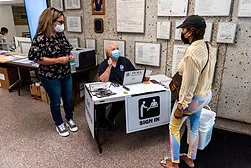
All employees and contractors of the San Francisco International Airport (SFO) will be required to get vaccinated or submit to weekly testing. SFO is the first U.S. airport to implement a vaccine requirement.
The city will upgrade its IT department security with cloud support and end-user protections for its employees, many of whom work remotely due to the COVID-19 pandemic.
The university's security operations center is housed in the "Technology Innovation Center," which hosts both the security and network operations teams.
More than 99% of websites use third-party scripts. Still, only one in three can detect potential problems that could lead to digital skimming and Magecart attacks, according to a new PerimeterX study.
Veritas Technologies surveyed more than 2,000 global IT leaders whose organizations have undertaken pandemic-led digital transformation and found the majority are severely vulnerable to ransomware attacks because they’ve been unable to keep pace with the accelerated digitization.
The first and last line of defense against phishing is always employees themselves. With that in mind, here are the top five things you need to know about phishing.
Iowa-based grain cooperative NEW Cooperative Inc.was struck by BlackMatter ransomware recently and has shut down its computer systems as it tries to mitigate the attack. BlackMatter is demanding a $5.9 million ransom.
The Biden administration is allegedly preparing to sanction financial exchanges that facilitate illicit digitalpayments to cybercriminals. How will this new initiative impact businesses?
As people recover from Hurricane Ida's damage, the Federal Emergency Management Agency opens Disaster Recovery Centers to aid in rebuilding what's been lost.
 RSS
RSS