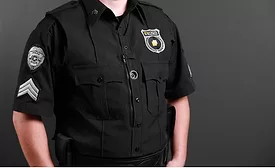
Delaware's state correctional leaders opened the Department of Correction Intelligence Operations Center (IOC). The statewide facility will be operated by the Special Operations Group within the Bureau of Prisons. The IOC positions will allow the DOC to identify security threats from across facilities, assess them, and proactively act to mitigate those risks.
In Oregon, the Portland City Council passed legislation, which bans both city government agencies and private businesses from using facial recognition technology on the city’s grounds.
In the 19 years that have passed since Sept. 11, 2001, Americans have seen significant increases in counterterrorism security in public venues, including more security guards, closed-circuit TV cameras, metal detectors and bag checks. A study by the USC Center for Risk and Economic Analysis of Terrorism Events (CREATE) finds out that people are still willing to pay more for increased security at public venues almost two decades later.
As businesses and schools seek to bring people back to brick and mortar establishments, it’s going to be important to make customers, students and teachers feel comfortable, in addition to simply following guidelines. Customers are going to have to feel that it’s worth going out, versus shopping on-line. For retailers, that comfort might in part be derived from visible occupancy monitoring efforts and automated voice-down messages when people aren’t wearing masks or keeping their distance.
In late February 2020, news broke in the United States that the once faraway threat of a “novel coronavirus” had spread to U.S. soil. As COVID-19 case numbers in major cities grew, stay-at-home orders were put in place, businesses closed, restaurants shifted to take-out only, and retailers adopted curbside service. All of this took place to slow the spread of COVID-19. Meanwhile, however, hospitals remained open — accepting new patients at the direction of the U.S. Center for Disease Control and Prevention (CDC) and working diligently to adhere to new safety guidelines. During virus, or any pandemic outbreaks, we are acutely reminded of our essential frontline healthcare workers, the critical need to enhance their overall safety, security, and to be as efficient as possible when communicating vital information.
NCS4 is planning its 2020 National Sports Safety and Security Conference for October 12-14, 2020. The virtual event is themed around "The Way Forward" and will include a number of panels and discussions around COVID-19, venue and event management and returning to play and operations safely.
A proposed ordinance in Albany, N.Y. would would regulate the city’s surveillance technology, including facial recognition software and surveillance cameras.
The City of Bridgeport in Connecticut announced a $433,616 federal grant to improve port security and water rescue equipment, including ramping up and replacing video surveillance.
Tennessee's 2020-2021 budget includes $38 million in capital maintenance across higher education institutions from the Higher Education Capital Maintenance Fund and $2 million non-recurring statewide security grants.
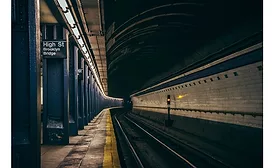
The NYPD arrested a suspect of attempted rape, assault and harassment after a bystander in the subway intervened. Video of the subway attack was used by the NYPD’s facial recognition team to identify the suspect from a previous arrest.
 RSS
RSS