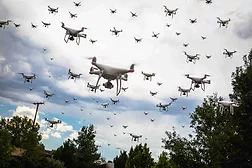
New technologies, including cloud computing, the Internet of Things and artificial intelligence, are constantly bringing new opportunities and challenges to attackers and defenders alike. This is not just the age of machines but of machine-scale. As such, IT security analysts need new tools to defend the network.
Forty-two percent of Americans don't have an evacuation plan in the event of severe weather and only 19 percent have a family meet-up plan, says a new survey.
According to a report from App Annie, people use nine applications daily, and in a month, they use 30. Why is this relevant? Brivo’s study, “3 Key Drivers to Technology Adoption in Physical Security”, reveals 81 percent of survey respondents are reliant on mobile applications to manage their facilities and people and 62 percent of them are using one to five mobile applications for work.
Last month’s ASUS APT attack doesn’t come as a surprise to any security-conscious industry watcher – this highlights a long-standing flaw in many software supply chains today. Attackers have been engaged in spoofing websites, stealing credentials and gaining unauthorized access for years. Injecting malicious code into legitimate tools that are designed to protect represents the next evolution in putting companies and their customers at risk.
Both the government and the private sector are scrambling for talent. Thousands of information-security jobs are going unfilled as the industry in the U.S. struggles with a shortage of properly trained professionals. By one estimate, there will be 3.5 million unfilled cybersecurity jobs by 2021.