The focus of cybersecurity protection shouldn’t always be about trying to anticipate the latest means or technology that could impact a business, but instead, focusing on the same tactics and how these can specifically adapt.
The FBI identified at least 16 Conti ransomware attacks targeting U.S. healthcare and first responder networks, including law enforcement agencies, emergency medical services, 9-1-1 dispatch centers, and municipalities within the last year. These healthcare and first responder networks are among the more than 400 organizations worldwide victimized by Conti, over 290 of which are located in the U.S.
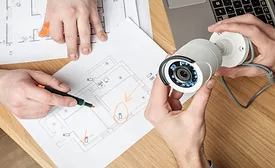
Two common options for surveillance and perimeter protection are visible cameras with near infrared illumination capabilities and thermal imaging cameras—both are optimal for distinct situations. However, optimal lighting isn’t always available or guaranteed, especially when a scenario calls for 24-hour awareness for security applications, including outdoor, remote, or rural locations, or if there is need to see beyond the fence line to identify and react to incoming threats.
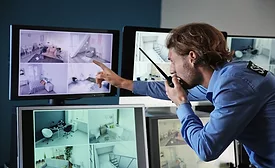
Breakthroughs in artificial intelligence (AI) and other digital technology, including faster, more affordable bandwidth, are revolutionizing the ways cities conduct surveillance and provide security. Major cities throughout the U.S. are utilizing turnkey systems that integrate video footage, access management, traffic monitoring and body-worn cameras into central high-speed networks.
On June 22, 2021 at 1 pm Eastern, Former Assistant Director, FBI Counterintelligence as well as corporate security executive Frank Figliuzzi, will spend 60 minutes talking about protecting the corporate brand and reputation in the digital age.
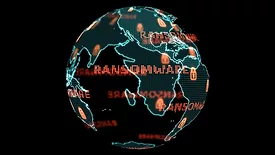
In the aftermath of the Colonial Pipeline attack, global IT association and learning community ISACA polled more than 1,200 members in the United States and found that 84% of respondents believe ransomware attacks will become more prevalent in the second half of 2021. The Colonial Pipeline attack caused massive disruptions to gasoline distribution in parts of the US this month, resurfacing preparedness for ransomware attacks as a front-burner topic for enterprises around the world. Colonial reportedly authorized a ransom payment of US $4.4 million. In the ISACA survey, four out of five survey respondents say they do not think their organization would pay the ransom if a ransomware attack hit their organization. Only 22% say a critical infrastructure organization should pay the ransom if attacked.
One thing is clear: the hybrid model will be permanent. Occupier requirements are constantly evolving and they are driving new considerations for landlords and workspace providers. Let’s review the core considerations and components required to create a secure tech operating layer that reassures the integrity of the workspace, operation and infrastructure while delivering a great occupier experience.
Failure of imagination leads to most crises. As the pandemic persists, vaccinations and vaccine resistance increases, mass shootings rise, and racial and political unrest show few signs of ebbing, seemingly impossible "what if" scenarios are our everyday reality. But can we prevent and protect ourselves from the bad impossibilities? In my experience, if we believe it can happen, then we can look for that trouble, see around corners and potentially head off bad situations. This is why opportunities for protective intelligence analysts are growing and, as digital transformation continues, will be one of the most in-demand roles at corporations alongside cybersecurity experts.