Global K9 Protection Group will integrate assets of 360 Security Partners to further develop the canine security sector and K9 units trained to detect explosives or weapons.
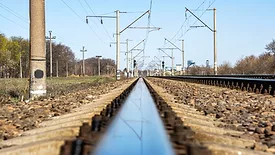
Security incidents that affect railways usually fall into one of three categories: intrusion, theft, or terrorism. To keep passengers and freight safe, physical security must always be ensured.
The latest Security podcast features Dr. Marisa Randazzo, Executive Director at the Ontic Center of Excellence, who discusses the rise of school shootings over the years, as well as security lessons learned and strategies for violence prevention.
New Digital Shadows cybersecurity research reveals a great deal about how the Conti ransomware group operates, including schedules, activity timelines, message content and volume, and even leaders.
New initiatives from the Motion Picture Association's Trusted Partner Network (TPN) aim to use cloud security to prevent video content piracy, securing streaming services from cyber threats.
Germany’s Federal Criminal Police Office (BKA) announced that the world’s largest illegal dark web marketplace, Hydra Darknet Market, has been taken down. The BKA confiscated 543 bitcoins with a total value of around 23 million euros.
 RSS
RSS





.webp?height=168&t=1649356025&width=275 "Security podcast header template (2).png")



.webp?t=1649279528)