In the security industry, technology is moving at lightspeed. New devices, automation, custom software, and robot and drone technology is constantly being developed, improved upon, and employed to help security guards perform routine tasks. However, to reap the benefits of rapid development and deliver exceptional results, the security industry needs to embrace all of these technological changes and be able to spot trends in order to protect an organization's data and to ensure the safety and wellbeing of its security workforce.
The Department of Justice announced it has awarded more than $87 million to bolster school security, support first responders who arrive on the scene of a school shooting or other violent incident, and conduct research on school safety.
According to data extracted and analyzed by Atlas VPN, the United States residents reported 168,818 imposter scam cases amounting to $299.9 million in losses in the first half of 2020 with a median loss of $694. That is more than two times less than in H1 2019 when the US consumers reported 355,866 imposter fraud cases.
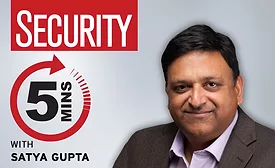
Meet Satya Gupta, Virsec’s visionary, who has more than 25 years of expertise in embedded systems, network security and systems architecture. Here, we talk to Gupta about the impact that COVID-19 and remote work policies has had on the industrial and critical infrastructure organizations.
Microsoft has taken action to disrupt a botnet called Trickbot, one of the world’s most infamous botnets and prolific distributors of ransomware. Trickbot has infected over a million computing devices around the world since late 2016.
The Cybersecurity and Infrastructure Security Agency (CISA) and the Federal Bureau of Investigation (FBI) have released a joint cybersecurity advisory regarding advanced persistent threat (APT) actors chaining vulnerabilities — a commonly used tactic exploiting multiple vulnerabilities in the course of a single intrusion — in an attempt to compromise federal and state, local, tribal, and territorial (SLTT) government networks, critical infrastructure, and elections organizations.
It sounds simple: a company must be a safe place to work, and people will want to work for companies that make them feel safe. Companies have a duty of care and responsibility to keep employees safe, even as many work remotely. But as enterprises undergo digital transformation, physical security has at times been left behind (with legacy and outdated technology systems) despite a rise in threatening events and its increasing importance for corporations. Embracing digital protective intelligence and making safety a priority is not just a way to support wise corporate values, but given the potential loss of life and the cultural, bottom line and brand reputation damage that could occur, must be a mandate for modern business operations.
BlackBerry released new research highlighting the true reach and sophistication of one of the most elusive, patient, and effective publicly known threat actors – BAHAMUT. In the report, BlackBerry researchers link the cyberespionage threat group to a staggering number of ongoing attacks against government officials and industry titans, while also unveiling the group’s vast network of disinformation assets aimed at furthering particular political causes and hampering NGOs.
Microsoft recently warned that more cybercriminals have started to incorporate exploit code for the ZeroLogon vulnerability in their attacks.
Threat actor TA505, a financially motivated threat group that has been active since at least 2014, is now exploiting this vulnerability.
The National Security Agency announced the official launch of the Center for Cybersecurity Standards (CCSS) in the Cybersecurity Directorate. This office will lead NSA’s Cybersecurity mission to engage with standards bodies to communicate security requirements and influence standards to secure our National Security Systems and provide support to the Defense Industrial Base (DIB).
 RSS
RSS