More than 279,000 shoplifters and dishonest employees were apprehended in 2018 by just 20 large retailers who recovered more than $114 million from thieves.
Theft, fraud and losses from other retail “shrink” totaled $50.6 billion in 2018, up from $46.8 billion the year before as industry security executives said there is a growing overlap between loss prevention and cybersecurity efforts.
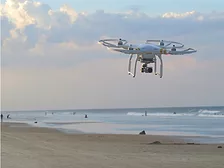
Hurricane season is almost here and emergency responders in Florida might be faster and more efficient with the implementation of drones for the 2019 hurricane season, says a news report.
As hurricane season begins this month, data has found that Americans misunderstand the long-term impact of these storms, and other natural disasters, on communities – many of which are still in need of relief and aid today.
Almost all visa applicants to the United States will now be required to submit the social media usernames, email addresses and phone numbers they’ve used in the past five years.
Military veterans transition seamlessly into virtually all types of careers and sectors, but as a U.S. Navy veteran and security training professional for North America’s leading physical security services company, I do believe that the physical security arena can be a match made in heaven for transitioning veterans.
 RSS
RSS