As employees return back to the office, challenges continue to unfold and the best way to approach many of the computers and systems that have been off company premises for so long is to regard them as potentially infected.
Like the game of Texas Hold ‘Em, the practice of security is ultimately an exercise in decision-making. Specifically, how do you make the best decision possible with limited and incomplete information?
With technology becoming more accessible and complex, prioritizing a defense against insider threats may be the better strategy. After all, the moment an outsider breaches an organization, they become an insider.
In the tense political and economic climate, state-backed actors have used every possible means to gain leverage over their rivals. And in the midst of the chaos, every individual and organization can become a victim or collateral damage in the context of bigger conflicts. Here’s a glimpse of where we are and how organizations can protect themselves going forward.
Whaling, highly targeted social engineering attacks aimed at senior executives, as well as executive impersonations, have seen an increase of 131% between Q1 2020 and Q1 2021, according to GreatHorn.
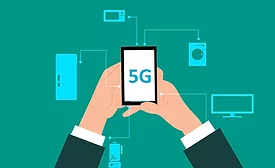
5G, as often happens with new technologies, will likely introduce both digital and business revolution along with a plethora of new threat vectors. In particular with the exposure of new connected devices, industries and services, and sensitive assets will undoubtedly be affected by new cyber threat agents; the EU, however, is ready to mitigate these potential threats.
The WSJ's Cybersecurity executive forum will take place virtually on June 2, 2021. The day-long forum will give security executives insight into case studies from peers and allow them to connect directly with peers in the industry to discuss biggest challenges and best practices.
Episode three of the Cybersecurity and Geopolitical video podcast is up and ready for viewing! We are also now offering an audio version to listen to anytime, anywhere, including from Apple podcasts.
One of many consequences of the COVID-19 pandemic is an increase in cybersecurity risks and in the complexity of implementing effective security to protect organizational information and computing infrastructure. As with pre-COVID security threats, well-proven cybersecurity strategies based on user and device authentication remain effective, and they now are more important than ever.