In the Leadership Keynote speech at the Security Industry Association (SIA) Securing New Ground conference, Intel Vice President and General Manager for Client Security Strategy and Initiatives Tom Garrison outlined how and why supply chain security needs to be seen as both a physical and cybersecurity priority.
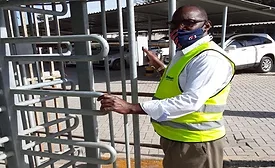
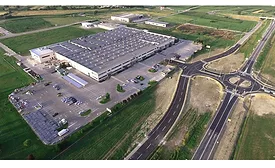
Bamburi Cement, based in Kenya, is the largest manufacturer of cement in Eastern Africa, producing around 5,000 tons every day. While the company knew it needed to beef up security to mitigate risk and protect the facilities from an increase in organized crime, the trick was finding a solution that wouldn't interrupt business operations.
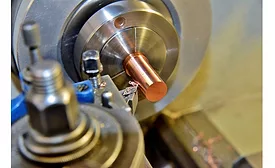
Too many manufacturers discount the cost of security breaches. Don’t become another statistic. Keep your manufacturing business shielded from cyberattacks by going back to the basics.
The University of Texas at San Antonio (UTSA) launched the Cybersecurity Manufacturing Innovation Institute (CyManII), a $111 million public-private partnership. Led by UTSA, the university will enter into a five-year cooperative agreement with the U.S. Department of Energy (DOE) to lead a consortium of 59 proposed member institutions in introducing a cybersecure energy-ROI that drives American manufacturers and supply chains to further adopt secure, energy-efficient approaches, ultimately securing and sustaining the nation's leadership in global manufacturing competitiveness.
Italian bottling company S.I.BE.G. srl invested in wearables for two of its plant and its headquarters locations to help with contact-tracing as well as ensure employees and visitors adhere to social-distancing guidelines.
More than 100 business groups composed of manufacturers, distributors and supply chain products are calling for a a consistent definition of "critical infrastructure" from the Department of Homeland Security (DHS).