The 2022 Third Party Risk Management (TPRM) Industry Study from Prevalent, Inc. reveals a security focus on non-cyber third-party risks, such as corruption, unethical working conditions and more.
Managing third-party risk is integral to maintaining enterprise cybersecurity and supply chain security. Determining who in the enterprise is responsible for third-party vendor security can help reduce risk, according to NCC Group research.
The Federal Emergency Management Agency (FEMA)'s 2021 National Preparedness Report outlines three types of risk facing U.S. organizations, including catastrophic, systemic and emerging risks.
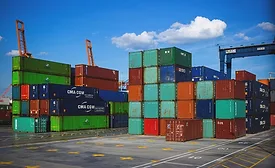
The fragility of supply chain security in many ways, rests on the shipping container. The incident in the Suez Canal has shed light on vulnerabilities and complexities within the supply chain.
Even brick and mortar companies are increasingly leveraging the internet and cloud services to expand their business. As traditional business models have changed to incorporate these resources, the security risks presented have evolved as well. In today’s world of digital business, the security risks faced by the majority of companies have largely shifted into the cyber realm.