Emergency visits climbed to a record high of 145.6 million patients in 2016, the most recent year available, according to new data from the Centers for Disease Control and Prevention (CDC).
As someone who has been engaged by consulting clients and full-time employers to conduct threat assessments and write security and emergency preparedness plans, I am often left puzzled by how many organizations go to great lengths to assess their vulnerabilities and create plans to address them, but almost never test their ongoing effectiveness.
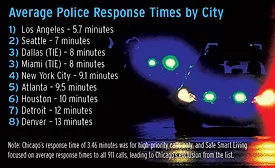
If you have an emergency, you might wait a while in Denver (average police response time of just under 13 minutes), while a serious emergency call in Chicago will garner a response within 3.5 minutes.
Enterprise decision makers know to “expect the unexpected” when it comes to business continuity planning. But the increasingly complex threat environment is challenging organizations as never before to prepare for an expanding range of incidents.
“I take a lot of lessons from the community policing model, which is policing through customer service,” says Ryan King, Manager of Safety, Security and Emergency Management for Central Florida Health (CFH).
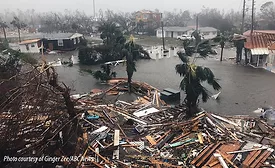
47% of emergency decision-makers said severe and extreme weather events are their leading concern when it comes to emergency communications and response, outpacing other events such as active shooters (23%), cybersecurity attacks (13%), IT outages (10%) and workplace violence (6%).
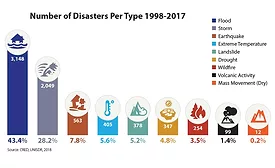
Over the past 20 years, direct economic losses from climate-related disasters rose 151 percent, according to a report from the UN Office for Disaster Risk Reduction.