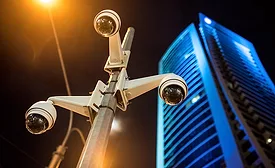
During the 2020 presidential election, Maryland’s Anne Arundel County Board of Elections partnered with a provider of cloud-based video surveillance and analytics to provide live, 24-7 video surveillance for 32 ballot boxes throughout the county to deter nefarious activities.
By now, it’s no secret that the endless quest by tech companies, data brokers and other players to capture, make sense of and monetize as much user data as possible – a practice known as surveillance capitalism – presents all sorts of privacy issues. Less discussed are the increased security risks this model creates for companies, governments and individuals.
Amazon's smart home security division Ring has unveiled a flying camera that launches if sensors detect a potential home break-in. It is designed to activate only when residents are out, works indoors, and is limited to one floor of a building.
Check Point Research unraveled an ongoing surveillance operation by Iranian entities that has been targeting Iranian expats and dissidents for years. While some individual sightings of this attack were previously reported by other researchers and journalists, the investigation allowed Check Point to connect the different campaigns and attribute them to the same attackers.
As the Internet of Things (IoT) continues to grow, billions of devices are networked each year. As the number of end devices continues to grow, the technology is becoming smarter and more versatile.
New Mexico Gov. Michelle Lujan Grisham signed legislation requiring New Mexico police officers to wear body cameras as a deterrent against unlawful use of force and establishing strengthened accountability measures in instances of inappropriate excessive force.