Security Magazine logo
search
cart
facebook twitter linkedin youtube
  • Sign In
  • Create Account
  • Sign Out
  • My Account
Security Magazine logo
  • NEWS
    • Security Newswire
    • Technologies & Solutions
  • MANAGEMENT
    • Leadership Management
    • Enterprise Services
    • Security Education & Training
    • Logical Security
    • Security & Business Resilience
    • Profiles in Excellence
  • PHYSICAL
    • Access Management
    • Fire & Life Safety
    • Identity Management
    • Physical Security
    • Video Surveillance
    • Case Studies (Physical)
  • CYBER
    • Cybersecurity News
    • More
  • BLOG
  • COLUMNS
    • Career Intelligence
    • Cyber Tactics
    • Cybersecurity Education & Training
    • Leadership & Management
    • Security Talk
  • EXCLUSIVES
    • Annual Guarding Report
    • Most Influential People in Security
    • The Security Benchmark Report
    • Top Guard and Security Officer Companies
    • Top Cybersecurity Leaders
    • Women in Security
  • SECTORS
    • Arenas / Stadiums / Leagues / Entertainment
    • Banking/Finance/Insurance
    • Construction, Real Estate, Property Management
    • Education: K-12
    • Education: University
    • Government: Federal, State and Local
    • Hospitality & Casinos
    • Hospitals & Medical Centers
    • Infrastructure:Electric,Gas & Water
    • Ports: Sea, Land, & Air
    • Retail/Restaurants/Convenience
    • Transportation/Logistics/Supply Chain/Distribution/ Warehousing
  • EVENTS
    • Industry Events
    • Webinars
    • Solutions by Sector
    • Security 500 Conference
  • MEDIA
    • Interactive Spotlight
    • Photo Galleries
    • Podcasts
    • Polls
    • Videos
      • Cybersecurity & Geopolitical Discussion
      • Ask Me Anything (AMA) Series
  • MORE
    • Call for Entries
    • Classifieds & Job Listings
    • Continuing Education
    • Newsletter
    • Sponsor Insights
    • Store
    • White Papers
  • EMAG
    • eMagazine
    • This Month's Content
    • Advertise
  • SIGN UP!
ManagementPhysicalSecurity Enterprise ServicesSecurity Leadership and ManagementSecurity & Business ResilienceAccess ManagementFire & Life SafetyPhysical SecurityVideo Surveillance

Education & Training

Security risk management within the nonprofit sector

By Lisa Oliveri
non profit

Krystsina Yakubovich / iStock / Getty Images Plus via Getty Images

author

Lisa Oliveri

non profit
author
March 11, 2022

When I was asked to share thoughts about security risk management considerations within the nonprofit sector, I knew I would be remiss if I did not start by acknowledging the existing publications, research and expertise that has been shared on this topic by professionals supporting non-government organizations (NGOs) such as the Global Interagency Security Forum (GISF), Overseas Security Advisory Council (OSAC) International Development Sector Committee (IDSC), Humanitarian Practice Network, and International NGO Safety and Security Association (INSSA). Colleagues with decades of humanitarian and development sector experience have done incredible work to advance NGO security risk management; these same colleagues’ resource sharing, networking and mentoring have been critical to my professional development as well.

From the perspective of someone who transitioned into the NGO security sector more than 10 years ago, I’ve found that understanding the following is essential to evaluating or developing a successful NGO security risk management program:

  1. Organization’s risk tolerance and appetite
  2. Risk assessment and mitigation planning process
  3. Organization’s commitment to duty of care
  4. Key stakeholders and funding
  5. Security’s reputation and culture

Let’s explore each of these considerations one by one.


Risk Tolerance and Appetite

Key to an organization’s security risk management program is the level of risk that an organization is willing to accept and how much deviation from that tolerance it is ready to accept. Depending on an NGO’s mission, the organization’s risk tolerance can vary widely. Organizations that deliver life-saving assistance in complex environments such as Yemen or Afghanistan likely have a higher risk tolerance than their peers who implement programs that may be viewed as more developmental in nature. Having a clear understanding of the risk tolerance and appetite an organization (including its senior leadership and Board of Directors) is willing to accept is essential and should be documented in a board and/or organizational security policy.


Risk Assessment and Mitigation Planning

Another critical component of an NGO’s security risk management program is the risk assessment. GISF’s Security to go: a risk management toolkit for humanitarian aid agencies guides staff in identifying and measuring specific risks. Once a comprehensive risk assessment has been completed, an NGO can develop its risk mitigation measures and plans within the organization’s risk tolerance; ensure they are properly resourced in project proposals and budgets; and enable the NGO to fulfill its donor objectives, as well as honor commitments to the communities they are serving. A risk assessment enables an NGO to meet its duty of care to staff, volunteers, partners and other stakeholders. 

Duty of Care

An NGO’s commitment and ability to fulfill its duty of care is a key indicator of success for a security risk management program and helps clarify what the organization values most. Organizations with a strong commitment to duty of care are those that have robust safety and security training programs, adequate security budgets, comprehensive psychosocial support mechanisms, and engaged leadership who value security and recognize the relationship between duty of care and resilient programming. Security and risk management professionals new to the NGO sector may find themselves quickly overwhelmed by trying to manage all aspects of duty of care, so it is important to balance the needs of the staff and projects with what is sustainable and appropriate for the context. This has become even more critical during a global pandemic where national staff are at the greatest risk for violence against aid workers.


Key Stakeholders and Funding

Understanding the organization’s internal and external key stakeholders and how the NGO is funded undergirds NGO security risk management. Internally, it’s essential to build strong relationships with key individuals and departments that support security by understanding the resources and policies available and responding to issues in a timely and efficient manner. For example, assessing and leveraging insurance policies and the resources that accompany those policies often involves engagement with human resources or legal departments. Every external collaboration or partnership has the potential to impact an NGO’s reputation and ability to operate safely, so maintaining an awareness of those relationships and monitoring for any events or issues that pose a risk to the NGO is important. Maintaining neutrality while delivering aid or service in conflict areas, particularly if the NGO is funded by a government, is also essential.


Security Reputation and Culture

Building rapport and earning a reputation as a trusted advisor and leader requires consistency, integrity, trust and respect. No matter how strong the security infrastructure one implements within an organization, the ultimate determination of success is whether you can develop a culture of security. Organizations that learn from what others have experienced and adapt their operations accordingly are more likely to have resilient and adaptable programming, which facilitates positive impressions from donors who are expecting program objectives and goals to be met.

These are just a few key considerations when developing an NGO security risk management program. It’s worth noting that there is no established standard for NGO risk management. Though many nonprofits benchmark and share information, each organization has a unique approach to managing its operational risks.

KEYWORDS: enterprise security perimeter security risk management security analytics

Share This Story

Looking for a reprint of this article?
From high-res PDFs to custom plaques, order your copy today!

Lisa Oliveri, CPP, PCI, is the Director of Global Risk Management, Security and Operations at the National Democratic Institute (NDI). Oliveri has extensive experience managing global safety and security functions for international non-government organizations, faith-based organizations and academic institutions. She is a dedicated volunteer, trainer and advocate for young professionals and women in security. Oliveri is the Chair of ASIS International’s CSO Center Board and past Chair of the Overseas Security Advisory Council (OSAC) International Development Sector Committee. She holds an M.S. in Education and an M.A. in International Affairs from Fordham University.

Recommended Content

JOIN TODAY
To unlock your recommendations.

Already have an account? Sign In

  • Iintegration and use of emerging tools

    Future Proof Your Security Career with AI Skills

    AI’s evolution demands security leaders master...
    Columns
    By: Jerry J. Brennan and Joanne R. Pollock
  • The 2025 Security Benchmark Report

    The 2025 Security Benchmark Report

    The 2025 Security Benchmark Report surveys enterprise...
    The Security Benchmark Report
    By: Rachelle Blair-Frasier
  • The Most Influential People in Security 2025

    Security’s Most Influential People in Security 2025

    Security Magazine’s 2025 Most Influential People in...
    Most Influential People in Security
    By: Security Staff
Manage My Account
  • Security Newsletter
  • eMagazine Subscriptions
  • Manage My Preferences
  • Online Registration
  • Mobile App
  • Subscription Customer Service

More Videos

Sponsored Content

Sponsored Content is a special paid section where industry companies provide high quality, objective, non-commercial content around topics of interest to the Security audience. All Sponsored Content is supplied by the advertising company and any opinions expressed in this article are those of the author and not necessarily reflect the views of Security or its parent company, BNP Media. Interested in participating in our Sponsored Content section? Contact your local rep!

close
  • critical event management
    Sponsored byEverbridge

    Why a Unified View Across IT, Continuity, and Security Makes or Breaks Crisis Response

  • Charlotte Star Room
    Sponsored byAMAROK

    In an Uncertain Economy, Security Is a Necessity - Not an Afterthought

  • Sureview screen
    Sponsored bySureView Systems

    The Evolution of Automation in the Command Center

Popular Stories

Cybersecurity trends of 2025

3 Top Cybersecurity Trends from 2025

Red laptop

Security Leaders Discuss SitusAMC Cyberattack

Green code

Logitech Confirms Data Breach, Security Leaders Respond

Neon human and android hands

65% of the Forbes AI 50 List Leaked Sensitive Information

The Louvre

After the Theft: Why Camera Upgrades Should Begin With a Risk Assessment

Top Cybersecurity Leaders

Events

September 18, 2025

Security Under Fire: Insights on Active Shooter Preparedness and Recovery

ON DEMAND: In today’s complex threat environment, active shooter incidents demand swift, coordinated and well-informed responses.

December 11, 2025

Responding to Evolving Threats in Retail Environments

Retail security professionals are facing an increasingly complex array of security challenges — everything from organized retail crime to evolving cyber-physical threats and public safety concerns.

View All Submit An Event

Products

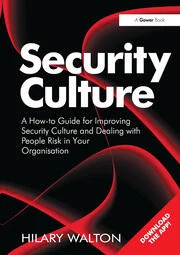
Security Culture: A How-to Guide for Improving Security Culture and Dealing with People Risk in Your Organisation

Security Culture: A How-to Guide for Improving Security Culture and Dealing with People Risk in Your Organisation

See More Products

Related Articles

  • security-vulnerability-freepik1170x658x2.jpg

    185% increase in high-risk vulnerabilities within financial sector

    See More
  • gray window that says data

    The hidden risk within the surveillance industry

    See More
  • 5_minutes_with_Kemper_1021_900px.jpg

    5 minutes with Kat Kemper – Using security technology within healthcare to minimize risk, increase efficiency and reduce costs

    See More

Related Products

See More Products
  • Risk Analysis and the Security Survey, 4th Edition

  • security culture.webp

    Security Culture: A How-to Guide for Improving Security Culture and Dealing with People Risk in Your Organisation

  • contemporary.jpg

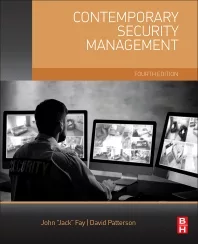
    Contemporary Security Management, 4th Edition

See More Products
×

Sign-up to receive top management & result-driven techniques in the industry.

Join over 20,000+ industry leaders who receive our premium content.

SIGN UP TODAY!
  • RESOURCES
    • Advertise
    • Contact Us
    • Store
    • Want More
  • SIGN UP TODAY
    • Create Account
    • eMagazine
    • Newsletter
    • Customer Service
    • Manage Preferences
  • SERVICES
    • Marketing Services
    • Reprints
    • Market Research
    • List Rental
    • Survey/Respondent Access
  • STAY CONNECTED
    • LinkedIn
    • Facebook
    • YouTube
    • X (Twitter)
  • PRIVACY
    • PRIVACY POLICY
    • TERMS & CONDITIONS
    • DO NOT SELL MY PERSONAL INFORMATION
    • PRIVACY REQUEST
    • ACCESSIBILITY

Copyright ©2025. All Rights Reserved BNP Media.

Design, CMS, Hosting & Web Development :: ePublishing