Security Magazine logo
search
cart
facebook twitter linkedin youtube
  • Sign In
  • Create Account
  • Sign Out
  • My Account
Security Magazine logo
  • NEWS
    • Security Newswire
    • Technologies & Solutions
  • MANAGEMENT
    • Leadership Management
    • Enterprise Services
    • Security Education & Training
    • Logical Security
    • Security & Business Resilience
    • Profiles in Excellence
  • PHYSICAL
    • Access Management
    • Fire & Life Safety
    • Identity Management
    • Physical Security
    • Video Surveillance
    • Case Studies (Physical)
  • CYBER
    • Cybersecurity News
    • More
  • BLOG
  • COLUMNS
    • Career Intelligence
    • Cyber Tactics
    • Cybersecurity Education & Training
    • Leadership & Management
    • Security Talk
  • EXCLUSIVES
    • Annual Guarding Report
    • Most Influential People in Security
    • The Security Benchmark Report
    • Top Guard and Security Officer Companies
    • Top Cybersecurity Leaders
    • Women in Security
  • SECTORS
    • Arenas / Stadiums / Leagues / Entertainment
    • Banking/Finance/Insurance
    • Construction, Real Estate, Property Management
    • Education: K-12
    • Education: University
    • Government: Federal, State and Local
    • Hospitality & Casinos
    • Hospitals & Medical Centers
    • Infrastructure:Electric,Gas & Water
    • Ports: Sea, Land, & Air
    • Retail/Restaurants/Convenience
    • Transportation/Logistics/Supply Chain/Distribution/ Warehousing
  • EVENTS
    • Industry Events
    • Webinars
    • Solutions by Sector
    • Security 500 Conference
  • MEDIA
    • Interactive Spotlight
    • Photo Galleries
    • Podcasts
    • Polls
    • Videos
      • Cybersecurity & Geopolitical Discussion
      • Ask Me Anything (AMA) Series
  • MORE
    • Call for Entries
    • Classifieds & Job Listings
    • Continuing Education
    • Newsletter
    • Sponsor Insights
    • Store
    • White Papers
  • EMAG
    • eMagazine
    • This Month's Content
    • Advertise
  • SIGN UP!
Security Leadership and ManagementSecurity & Business ResiliencePhysical Security

Aid Under Attack: What the DRC’s Ebola Crisis Teaches Us About Security and Local Perceptions

By J. Mathew Mayes, Daniil Davydoff
Ebola
July 9, 2019

Despite the availability of an experimental vaccine and the recent experience of a major Ebola outbreak in West Africa, the Democratic Republic of the Congo (DRC) is failing to address what is now the world’s second-largest outbreak of the disease. As of writing, more than 1,600 deaths have been recorded and cases have emerged outside the country. One of the critical impediments to stopping Ebola is the attacks on health workers and facilities—as well as protests of aid operations. “The biggest problem has been security,” in the words of the World Health Organization’s head of day-to-day response. “Every time there was an incident, we would be prevented from working for three to four days…we became the target.”

Community views of aid groups create an atmosphere conducive to this targeting, and while the DRC is unique, examining problematic perceptions in this case can help firms better manage the risk of local pushback when operating or expanding abroad. The crisis serves as a guide to the kinds of issues at stake for locals when an outside organization arrives at their doorstep:

  • Foreign origins – locals may have reasons to mistrust an organization due to its country of origin—their perceptions based on long held geopolitical views or experience with the country’s government or enterprises. In some cases, locals might be wary of all outsiders and actions by any organizations seen as “foreign” will receive additional scrutiny. This is the situation in the eastern DRC, where a history of external intervention and exploitation has fostered a high baseline level of suspicion to take root and create a challenging environment for aid groups.
     
  • Political affiliations – affiliation or partnership with a host government or authorities can likewise land an organization in hot water, especially if a community has existing qualms about political developments. In the eastern DRC, the national government has long been seen as ineffective (at best) or abusive (at worst), so when voting for a new president was suspended in two major Eastern cities due to the outbreak, dots were connected and the public health measures were made out to be politically motivated. Naturally, certain political figures were keen to encourage this association in the minds of their constituents.
  • Economic disruption – sometimes, foreign opportunity for an enterprise may mean disruption for locals. Though winners can benefit from jobs or an expanded market for their services, losers could face competition or sudden irrelevance. When livelihoods are lost, security risk follows. In the DRC, aid funding has not only favored medical professionals over traditional healers but has also supported the hiring of thousands of response workers. This, in turn, has potentially disturbed entrenched networks and the illicit economy of the region.
  • Culture clashes – negative views may also stem from cultural disruption if the way a company operates or what it produces clash with local practices and beliefs. Health organizations in the DRC have enacted highly controlled burials of Ebola victims due to the dangers of infected corpses. This set them up for conflict with families of victims wishing to provide traditional burials. Unsurprisingly, burial teams have been pelted by rocks in recent months.

Public health response in the DRC is crippled further by militia attacks and security conflicts that have displaced thousands. The sooner aid organizations and their allies can untangle the web of obstacles, the sooner this latest Ebola outbreak can transition from crisis to lesson.

In the meantime, firms operating in unfamiliar environments should take note of how their own associations and actions are viewed locally and the range of effects perceptions may have on their operations. At the forefront of disrupting local taxi trades globally, Uber has regularly seen security ramifications across their markets. Other companies have faced security risk at times when political sentiment is especially heated – think Japanese businesses in China during the 2012 Senkaku/Diaoyu Islands dispute protests. It is well within the remit of a security team and its intelligence analysts to review local perceptions and mistrust, even if the impact may not be equally dire or strictly within the security realm. During a crisis, proactive analysis may determine that a company needs to jump. In the long-term, it can help evaluate how high or in which direction.

KEYWORDS: Ebola geopolitical risk health crisis risk management

Share This Story

Looking for a reprint of this article?
From high-res PDFs to custom plaques, order your copy today!

J mathew mayes   photo
J. Mathew Mayes is a Global Risk Intelligence Intern at AT-RISK International. He is studying political science and international relations at the College of Wooster.
Dan davydoff   pic1

Daniil Davydoff, CPP, is Director, Research Management and Operations at Eurasia Group and director of social media for the World Affairs Council of Palm Beach. He has been published by ASIS International/Security Management, Risk Management Magazine, The National Interest, The Carnegie Council for Ethics in International Affairs, Foreign Policy and RealClearWorld, among other outlets. His views do not reflect those of his company.

Daniil Davydoff can be contacted on LinkedIn or at davydoff@eurasiagroup.net

Recommended Content

JOIN TODAY
To unlock your recommendations.

Already have an account? Sign In

  • Iintegration and use of emerging tools

    Future Proof Your Security Career with AI Skills

    AI’s evolution demands security leaders master...
    Columns
    By: Jerry J. Brennan and Joanne R. Pollock
  • The 2025 Security Benchmark Report

    The 2025 Security Benchmark Report

    The 2025 Security Benchmark Report surveys enterprise...
    The Security Benchmark Report
    By: Rachelle Blair-Frasier
  • The Most Influential People in Security 2025

    Security’s Most Influential People in Security 2025

    Security Magazine’s 2025 Most Influential People in...
    Most Influential People in Security
    By: Security Staff
Manage My Account
  • Security Newsletter
  • eMagazine Subscriptions
  • Manage My Preferences
  • Online Registration
  • Mobile App
  • Subscription Customer Service

More Videos

Sponsored Content

Sponsored Content is a special paid section where industry companies provide high quality, objective, non-commercial content around topics of interest to the Security audience. All Sponsored Content is supplied by the advertising company and any opinions expressed in this article are those of the author and not necessarily reflect the views of Security or its parent company, BNP Media. Interested in participating in our Sponsored Content section? Contact your local rep!

close
  • critical event management
    Sponsored byEverbridge

    Why a Unified View Across IT, Continuity, and Security Makes or Breaks Crisis Response

  • Charlotte Star Room
    Sponsored byAMAROK

    In an Uncertain Economy, Security Is a Necessity - Not an Afterthought

  • Sureview screen
    Sponsored bySureView Systems

    The Evolution of Automation in the Command Center

Popular Stories

The Lourve

The Lourve Heist: What Was the State of the Museum’s Security?

The 2025 Security Benchmark Report

The 2025 Security Benchmark Report

Office supplies

Security Leaders Share Why 77% Organizations Lose Data Due to Insider Risks

American Airlines

Security Leaders Discuss Cyberattack on American Airlines Subsidiary

Going Down with the Ship

Going Down with the Ship

Top Cybersecurity Leaders

Events

September 18, 2025

Security Under Fire: Insights on Active Shooter Preparedness and Recovery

ON DEMAND: In today’s complex threat environment, active shooter incidents demand swift, coordinated and well-informed responses.

November 13, 2025

Inside the 2025 Security Benchmark Report

The 2025 Security Benchmark Report unveils the top trends CSOs and enterprise security executives are facing in today’s current climate and how each of these trends could potentially impact the enterprise’s global reputation with the public, governments, and business partners. 

View All Submit An Event

Products

Security Culture: A How-to Guide for Improving Security Culture and Dealing with People Risk in Your Organisation

Security Culture: A How-to Guide for Improving Security Culture and Dealing with People Risk in Your Organisation

See More Products

Related Articles

  • Why Reputational Risk is a Security Risk and What to Do About It

    See More
  • linkedin

    Don’t Overlook LinkedIn as a Corporate Security Risk

    See More
  • social-enews

    6 Links Between Social Media and Violence You Haven’t Thought About

    See More

Related Products

See More Products
  • 150 things.jpg

    The Handbook for School Safety and Security

  • 9780367030407.jpg

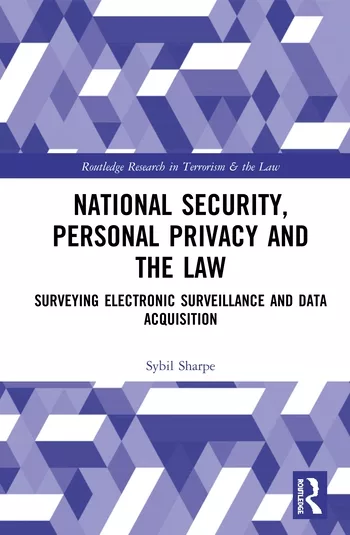
    National Security, Personal Privacy and the Law

  • Risk Analysis and the Security Survey, 4th Edition

See More Products
×

Sign-up to receive top management & result-driven techniques in the industry.

Join over 20,000+ industry leaders who receive our premium content.

SIGN UP TODAY!
  • RESOURCES
    • Advertise
    • Contact Us
    • Store
    • Want More
  • SIGN UP TODAY
    • Create Account
    • eMagazine
    • Newsletter
    • Customer Service
    • Manage Preferences
  • SERVICES
    • Marketing Services
    • Reprints
    • Market Research
    • List Rental
    • Survey/Respondent Access
  • STAY CONNECTED
    • LinkedIn
    • Facebook
    • YouTube
    • X (Twitter)
  • PRIVACY
    • PRIVACY POLICY
    • TERMS & CONDITIONS
    • DO NOT SELL MY PERSONAL INFORMATION
    • PRIVACY REQUEST
    • ACCESSIBILITY

Copyright ©2025. All Rights Reserved BNP Media.

Design, CMS, Hosting & Web Development :: ePublishing