Security Magazine logo
search
cart
facebook twitter linkedin youtube
  • Sign In
  • Create Account
  • Sign Out
  • My Account
Security Magazine logo
  • NEWS
    • Security Newswire
    • Technologies & Solutions
  • MANAGEMENT
    • Leadership Management
    • Enterprise Services
    • Security Education & Training
    • Logical Security
    • Security & Business Resilience
    • Profiles in Excellence
  • PHYSICAL
    • Access Management
    • Fire & Life Safety
    • Identity Management
    • Physical Security
    • Video Surveillance
    • Case Studies (Physical)
  • CYBER
    • Cybersecurity News
    • More
  • BLOG
  • COLUMNS
    • Career Intelligence
    • Cyber Tactics
    • Cybersecurity Education & Training
    • Leadership & Management
    • Security Talk
  • EXCLUSIVES
    • Annual Guarding Report
    • Most Influential People in Security
    • The Security Benchmark Report
    • Top Guard and Security Officer Companies
    • Top Cybersecurity Leaders
    • Women in Security
  • SECTORS
    • Arenas / Stadiums / Leagues / Entertainment
    • Banking/Finance/Insurance
    • Construction, Real Estate, Property Management
    • Education: K-12
    • Education: University
    • Government: Federal, State and Local
    • Hospitality & Casinos
    • Hospitals & Medical Centers
    • Infrastructure:Electric,Gas & Water
    • Ports: Sea, Land, & Air
    • Retail/Restaurants/Convenience
    • Transportation/Logistics/Supply Chain/Distribution/ Warehousing
  • EVENTS
    • Industry Events
    • Webinars
    • Solutions by Sector
    • Security 500 Conference
  • MEDIA
    • Interactive Spotlight
    • Photo Galleries
    • Podcasts
    • Polls
    • Videos
      • Cybersecurity & Geopolitical Discussion
      • Ask Me Anything (AMA) Series
  • MORE
    • Call for Entries
    • Classifieds & Job Listings
    • Continuing Education
    • Newsletter
    • Sponsor Insights
    • Store
    • White Papers
  • EMAG
    • eMagazine
    • This Month's Content
    • Advertise
  • SIGN UP!
Access ManagementIdentity ManagementPhysical Security

How to Deliver Secure, Compliant Environments through Better Onboarding

Which access management approach is best for your organization?
By Kim Rahfaldt
card-enews
November 26, 2018

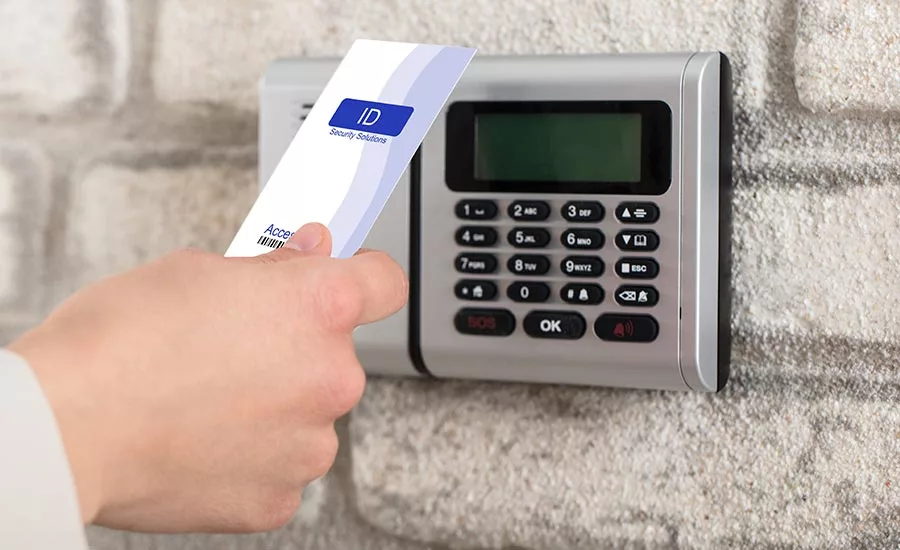
The security landscape has evolved, and new threats have emerged for organizations. Security teams need to do more with their systems to keep their employees, assets and buildings secure. To provide a more secure environment, security directors must transition from controlling access to doors and buildings to managing the identities that walk through those doors. Using a policy-based identity management platform, organizations can manage access via the different categories of identities (people) that enter a building. Identity access management ties systems together to manage the different identities (employees, contractors, vendors, visitors), rather than manage systems.

A large employee population generates a complex identity environment to manage. Employees change jobs, move from part- to full-time, contractor to employee or from one department to another, creating a complicated and ever changing environment for managing access.

Physical security is difficult to manage. Most companies use cumbersome manual processes that involve numerous emails and phone calls to onboard a new employee. Approvals are needed from multiple departments before granting the appropriate access, which can add days to the process. The process is inefficient, wastes money and increases risk.

New employees, contractors and vendors need access to buildings, floors or doors, and for access to be removed when they no longer need it. Access is often not removed for terminated employees until manually caught or even worse, when there is a security breach. Large organizations often cannot keep up with manual access requests and audits due to lack of resources and poor processes. If a company cannot keep up, they fall out of compliance and risk heavy fines or sanctions against their business.

What is the best way for organizations to manage identities?


Limited Access Approach

The limited access approach grants front door and office floor access. A new employee must request access to all other areas needed, even the access required to perform their new job. A secure option, but it requires approvals and processes immediately after the employee is hired. This option may hinder the employee because they do not have access to all areas required to do their job.


Full Access Approach

The full access approach requires that every person hired receives access to many areas throughout a company, either during normal working hours or around the clock. This approach may be effective for small businesses where few rooms need additional security, but this is the least secure option for most companies. Large organizations with facilities around the world do not need to grant a new warehouse employee in Florida access to the company's headquarter operations in Seattle.


Least Privileged Access

The least privileged access (LPA) approach uses role-based permissions to allow new employees access to the front door and all areas needed to perform their job. Once the employee starts, they must request access to additional areas needed to perform their job. Access is then granted for a predetermined amount of time and automatically deactivated when the time limit expires. LPA provides an electronic log of all requests and an audit trail to prove compliance. LPA is the most secure and easily managed onboarding process.

LPA is ideal in heavily regulated industries, and is sometimes required. Organizations can match up timeframes with regulations to meet compliance. For example, background checks may last one year. Organizations can time access card expirations to match background check expiration to help a company remain in compliance. NERC CIP-regulated industries require special training to obtain access. If an employee doesn’t have the training, they fall out of compliance. By syncing up LPA with NERC training, compliance is maintained and the company will not have to pay expensive fines.

Organizations can assign access levels per role within the company. A vice president of IT will have different access levels than a customer service representative. Establishing roles in advance will create a more efficient and safe environment. Companies will save time and money, and eliminate loopholes in access.

Once set up, managing LPA is effortless. The data parameters determine who should have access and for how long. Organizations audit the parameters set up in the system to make sure they continue to meet company requirements, but that is determined by each organization. Once it is set up, it runs itself.

LPA provides the most secure onboarding process. It reduces risk, helps companies maintain compliance and saves money.

KEYWORDS: access control Building security least privileged access onboarding

Share This Story

Looking for a reprint of this article?
From high-res PDFs to custom plaques, order your copy today!

Kim Rahfaldt is Public Relations Manager for AMAG Technology

Recommended Content

JOIN TODAY
To unlock your recommendations.

Already have an account? Sign In

  • Iintegration and use of emerging tools

    Future Proof Your Security Career with AI Skills

    AI’s evolution demands security leaders master...
    Columns
    By: Jerry J. Brennan and Joanne R. Pollock
  • The 2025 Security Benchmark Report

    The 2025 Security Benchmark Report

    The 2025 Security Benchmark Report surveys enterprise...
    The Security Benchmark Report
    By: Rachelle Blair-Frasier
  • The Most Influential People in Security 2025

    Security’s Most Influential People in Security 2025

    Security Magazine’s 2025 Most Influential People in...
    Most Influential People in Security
    By: Security Staff
Manage My Account
  • Security Newsletter
  • eMagazine Subscriptions
  • Manage My Preferences
  • Online Registration
  • Mobile App
  • Subscription Customer Service

More Videos

Sponsored Content

Sponsored Content is a special paid section where industry companies provide high quality, objective, non-commercial content around topics of interest to the Security audience. All Sponsored Content is supplied by the advertising company and any opinions expressed in this article are those of the author and not necessarily reflect the views of Security or its parent company, BNP Media. Interested in participating in our Sponsored Content section? Contact your local rep!

close
  • critical event management
    Sponsored byEverbridge

    Why a Unified View Across IT, Continuity, and Security Makes or Breaks Crisis Response

  • Charlotte Star Room
    Sponsored byAMAROK

    In an Uncertain Economy, Security Is a Necessity - Not an Afterthought

  • Sureview screen
    Sponsored bySureView Systems

    The Evolution of Automation in the Command Center

Popular Stories

Red laptop

Security Leaders Discuss SitusAMC Cyberattack

Cybersecurity trends of 2025

3 Top Cybersecurity Trends from 2025

Green code

Logitech Confirms Data Breach, Security Leaders Respond

Neon human and android hands

65% of the Forbes AI 50 List Leaked Sensitive Information

The Louvre

After the Theft: Why Camera Upgrades Should Begin With a Risk Assessment

Top Cybersecurity Leaders

Events

September 18, 2025

Security Under Fire: Insights on Active Shooter Preparedness and Recovery

ON DEMAND: In today’s complex threat environment, active shooter incidents demand swift, coordinated and well-informed responses.

December 11, 2025

Responding to Evolving Threats in Retail Environments

Retail security professionals are facing an increasingly complex array of security challenges — everything from organized retail crime to evolving cyber-physical threats and public safety concerns.

View All Submit An Event

Products

Security Culture: A How-to Guide for Improving Security Culture and Dealing with People Risk in Your Organisation

Security Culture: A How-to Guide for Improving Security Culture and Dealing with People Risk in Your Organisation

See More Products

Related Articles

  • How educators can secure their online learning environments

    See More
  • cloud-cyber

    How to prevent attackers from compromising cloud environments

    See More
  • LED panel

    New research finds gaps in secure access to OT environments

    See More

Related Products

See More Products
  • security culture.webp

    Security Culture: A How-to Guide for Improving Security Culture and Dealing with People Risk in Your Organisation

  • school security.jpg

    School Security: How to Build and Strengthen a School Safety Program

  • physical security.webp

    Physical Security Assessment Handbook An Insider’s Guide to Securing a Business

See More Products

Events

View AllSubmit An Event
  • October 8, 2025

    How to Support the Security Guard Force in Challenging Environments

    ON DEMAND: In this webinar, Brian Howell, Vice President, Global Head of Security at ADM, shares how his organization fosters trust among their security guard force to improve security posture and the safety of sites, processes and the officers themselves.
View AllSubmit An Event
×

Sign-up to receive top management & result-driven techniques in the industry.

Join over 20,000+ industry leaders who receive our premium content.

SIGN UP TODAY!
  • RESOURCES
    • Advertise
    • Contact Us
    • Store
    • Want More
  • SIGN UP TODAY
    • Create Account
    • eMagazine
    • Newsletter
    • Customer Service
    • Manage Preferences
  • SERVICES
    • Marketing Services
    • Reprints
    • Market Research
    • List Rental
    • Survey/Respondent Access
  • STAY CONNECTED
    • LinkedIn
    • Facebook
    • YouTube
    • X (Twitter)
  • PRIVACY
    • PRIVACY POLICY
    • TERMS & CONDITIONS
    • DO NOT SELL MY PERSONAL INFORMATION
    • PRIVACY REQUEST
    • ACCESSIBILITY

Copyright ©2025. All Rights Reserved BNP Media.

Design, CMS, Hosting & Web Development :: ePublishing