Security Talk
Protecting U.S. Critical Infrastructure as Global Tensions Rise
Security leader discusses protecting critical infrastructure as geopolitical tensions grow.
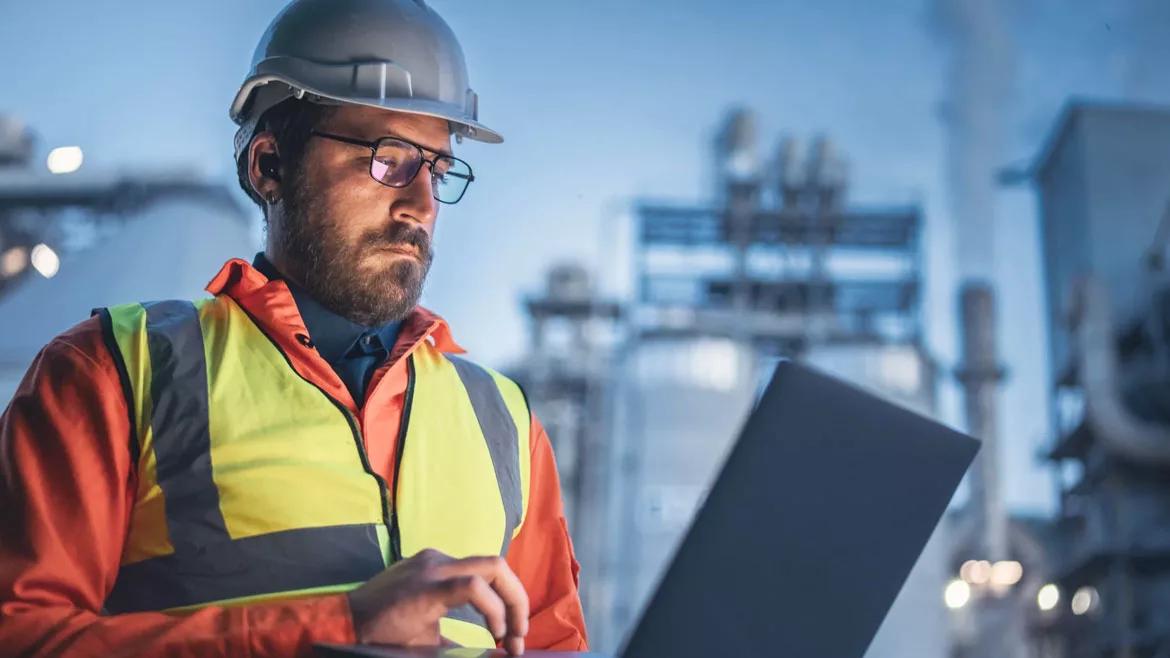
As of the writing of this column, the conflict with Iran is reaching its third week. In early March it was reported that the Department of Homeland Security was warning energy companies to increase security in case of Iranian retaliation.
I recently discussed with Nick Karakulko, Senior Director of Critical Infrastructure Protection Solutions at Octave, how utilities can protect critical infrastructure as national security threats and global tensions continue to grow.

As global geopolitical tensions rise, how should critical infrastructure and utility security leaders be thinking about potential spillover risks to physical assets in the U.S.?
Nick Karakulko: Security leaders should view geopolitical tension as a reminder that domestic infrastructure often becomes a target of indirect pressure rather than direct conflict. That makes it critical to strengthen situational awareness across physical assets, especially those in remote or lightly staffed areas. Technologies such as LiDAR based perimeter detection paired with digital twins allow operators to understand, visualize and respond to anomalies in real time. Additionally, cloud based collaboration portals can help break down data silos by enabling secure sharing of operational information across departments and geographies. When organizations can view layered data alongside security alerts, they gain vital context that improves threat recognition and response.
During periods of geopolitical conflict, in your opinion, what types of physical threats historically increase, and are you seeing indicators of those risks now?
Karakulko: Historically, periods of global instability tend to elevate probing behaviors, sabotage attempts and unauthorized access efforts at utilities and critical facilities. Bad actors look for gaps where detection is slow or fragmented. Today, low tech, deniable attempts to test infrastructure resilience remain on the rise. Improving multi source situational awareness is essential. Collaboration portals and digital twin visualization allow multiple data layers from different silos to be viewed together, helping security teams notice correlations, such as pressure drops or temperature changes, that may otherwise go undetected.
With utilities managing networks of substations, pipelines and remote facilities, what measures should security leaders be taking into consideration during heightened global tension?
Karakulko: Distributed infrastructure requires security leaders to eliminate blind spots, unify data and reduce dependence on manual local monitoring. Deploying digital twins that incorporate LiDAR mapping, environmental conditions, access control events and live video feeds creates a single operational picture of both assets and their surroundings. When combined with collaboration portals, organizations can securely share real time information with operations personnel, enabling them to provide context during a developing incident.
How important is real time intelligence sharing between private infrastructure operators, government agencies and law enforcement when the global threat landscape is evolving quickly?
Karakulko: Real time intelligence sharing is essential because modern threat activity spans sectors and geographies. Technologies that centralize data make it easier to share validated information with partners without exposing internal networks. Collaboration portals enable external stakeholders to view site video or incident data securely, supporting coordinated response while reducing risk.
For security leaders responsible for protecting critical infrastructure, what are the top physical security gaps organizations should consider as geopolitical tensions escalate?
Karakulko: The most persistent gaps come from fragmentation — facilities running separate monitoring systems, inconsistent perimeter security and limited visibility over remote assets. Legacy systems lacking AI analytics make it difficult to distinguish threats from routine activity. The solution is unifying technologies that model the environment and interpret activity: LiDAR for precise object detection, digital twins for context and collaboration portals for securely sharing layered data. This closes the window where adversaries operate — the moment when a security incident is real but not yet recognized.
Looking for a reprint of this article?
From high-res PDFs to custom plaques, order your copy today!