Security Magazine logo
search
cart
facebook twitter linkedin youtube
  • Sign In
  • Create Account
  • Sign Out
  • My Account
Security Magazine logo
  • NEWS
    • Security Newswire
    • Technologies & Solutions
  • MANAGEMENT
    • Leadership Management
    • Enterprise Services
    • Security Education & Training
    • Logical Security
    • Security & Business Resilience
    • Profiles in Excellence
  • PHYSICAL
    • Access Management
    • Fire & Life Safety
    • Identity Management
    • Physical Security
    • Video Surveillance
    • Case Studies (Physical)
  • CYBER
    • Cybersecurity News
    • More
  • BLOG
  • COLUMNS
    • Career Intelligence
    • Cyber Tactics
    • Cybersecurity Education & Training
    • Leadership & Management
    • Security Talk
  • EXCLUSIVES
    • Annual Guarding Report
    • Most Influential People in Security
    • The Security Benchmark Report
    • Top Guard and Security Officer Companies
    • Top Cybersecurity Leaders
    • Women in Security
  • SECTORS
    • Arenas / Stadiums / Leagues / Entertainment
    • Banking/Finance/Insurance
    • Construction, Real Estate, Property Management
    • Education: K-12
    • Education: University
    • Government: Federal, State and Local
    • Hospitality & Casinos
    • Hospitals & Medical Centers
    • Infrastructure:Electric,Gas & Water
    • Ports: Sea, Land, & Air
    • Retail/Restaurants/Convenience
    • Transportation/Logistics/Supply Chain/Distribution/ Warehousing
  • EVENTS
    • Industry Events
    • Webinars
    • Solutions by Sector
    • Security 500 Conference
  • MEDIA
    • Interactive Spotlight
    • Photo Galleries
    • Podcasts
    • Polls
    • Videos
      • Cybersecurity & Geopolitical Discussion
      • Ask Me Anything (AMA) Series
  • MORE
    • Call for Entries
    • Classifieds & Job Listings
    • Newsletter
    • Sponsor Insights
    • Store
    • White Papers
  • EMAG
    • eMagazine
    • This Month's Content
    • Advertise
  • SIGN UP!
Security Education & TrainingPhysical Security

Education & Training

Discussing Use of Force in Security: A Challenging Discussion?

When is force overboard? When is it required?

By Doug Bailey
Security Officer
Jacob Wackerhausen / iStock / Getty Images Plus via Getty Images
March 13, 2026

I was recently asked about use of force within the security industry. It was brought up as if it was a difficult topic, or a topic that should be avoided. The questions were asked:

  • When is it necessary?
  • When is it overboard?
  • Can it be done ethically and humanely?
  • Can it be avoided entirely?
  • Can Use of Force Be Avoided Entirely?

No, not entirely. Security personnel are assigned to a variety of sites. Some can have no need for use of force while others may require use of force interventions on a regular basis.

What can’t be controlled completely is human behavior. Security assigned to a quiet post may unexpectedly be called upon to intervene. This intervention may include the use of force, or it may be limited to calling law enforcement and trying to calm the situation in the meantime.

A site assessment should be conducted at security posts to identify threats and risks that may require use of force interventions. Sites with higher likelihood for resistive behavior should have security personnel assigned who have use of force training.

This training needs to be robust and not just a 4-hour course where the guard is handed a set of handcuffs at the end. Security personnel require in-depth training that teaches them legal authorities, liabilities and tactical controls. In addition to use of force tactics training, security personnel need to be trained in de-escalation techniques, professional communication and situational awareness.

Although use of force cannot be avoided entirely, it can be strategically used only when other lesser options fail.

When Is Use of Force Overboard?

Use of force is overboard when it is not the minimum force needed to overcome the situation. If a situation can be overcome by security presence at a situation or through verbal dialogue, force should not be used.

Discussing use of force in security should not be a controversial topic. If the correct steps are taken, using force becomes an additional tool that security personnel have to respond to an incident.

Unfortunately, there are cases where tempers flare and security personnel are drawn to using force before considering other, lesser options. To use force within the boundaries of the law, the force used must be reasonable. This is where other non-force options must have been attempted or considered. Security must be able to articulate the offender’s level of resistance to justify the level of force used.

Can It Be Done Ethically and Humanely?

Use of force can be used ethically and humanely, when used appropriately.

Before security personnel resort to using force, there are a few things that need to be considered and assessed:

  1. Does security have the correct knowledge? Did they observe a criminal offence, and do they know the requirements to use force lawfully in the current situation?
  2. Does security have the authority? This is both legal authority as well as the authority of their employer (policy).
  3. Does security have justification? Can security justify why force is required and not another option? Could security disengage while waiting for police or is there a threat that needs immediate intervention?
  4. Does security have the ability? Security personnel need to assess if they have the ability to carry out their actions safely. Security needs to factor in the environment, number of offenders, number of security personnel, and the potential for injury to security, offender, or the general public. Trained and experienced security can complete this assessment in a matter of seconds when facing a heightened situation.

If this type of assessment is conducted before force is used, force will be applied in the most ethical and humane manner possible.

When Is Force Required?

Force is required to overcome the resistance of an offender where non-force options have failed or are likely to fail. Force should only be applied when it is necessary. Using force should be in response to the amount of resistance given by the offender.

If there is low-level resistance, force may not be required. When force is required, it should be done by trained security who have completed a quick situational assessment and have decided that force is the appropriate and reasonable action to overcome the resistance.

A Challenging Discussion?

Discussing use of force in security should not be a controversial topic. If the correct steps are taken, using force becomes an additional tool that security personnel have to respond to an incident. When force is used properly, it is measured and can be easily articulated. Ongoing conversations should be had about use of force within the security industry so that continual improvement can occur.

KEYWORDS: conflict de-escalation training ethics use of force

Share This Story

Looking for a reprint of this article?
From high-res PDFs to custom plaques, order your copy today!


Doug bailey headshot crop

Doug Bailey is a Physical Security Specialist at SaskEnergy. Image courtesy of Bailey

Recommended Content

JOIN TODAY
To unlock your recommendations.

Already have an account? Sign In

  • Cyber tech background

    Security’s Top Cybersecurity Leaders 2026

    Security magazine’s Top Cybersecurity Leaders 2026 award...
    Cybersecurity
  • Iintegration and use of emerging tools

    Future Proof Your Security Career with AI Skills

    AI’s evolution demands security leaders master...
    Security Education & Training
    By: Jerry J. Brennan and Joanne R. Pollock
  • The 2025 Security Benchmark Report

    The 2025 Security Benchmark Report

    The 2025 Security Benchmark Report surveys enterprise...
    The Security Benchmark Report
    By: Rachelle Blair-Frasier
Manage My Account
  • Security Newsletter
  • eMagazine Subscriptions
  • Manage My Preferences
  • Online Registration
  • Mobile App
  • Subscription Customer Service

More Videos

Popular Stories

Cables plugged in

Chinese Supercomputer Allegedly Hacked, 10 Petabytes of Data Stolen

Man on laptop

Healthcare Executives Face a New Era of Personal Risk

Abstract shape

What Are Security Experts Saying About Claude Mythos and Project Glasswing?

Padlock with computer keys

Breach of FBI Surveillance System Considered a “Major Incident,” Security Experts Weigh In

AI

AI Startup Mercor, Which Works With Open AI and Anthropic, Confirms Data Breach

SEC 2026 Benchmark Banner

Events

April 30, 2026

Building a Campus-Wide Culture of Security and Shared Responsibility

In today’s higher education environment, where institutions face evolving and multifaceted incidents, safety must be embedded into the fabric of campus culture. Learn strategies for generating collective buy-in from faculty, staff, students and senior leadership. 

May 7, 2026

Beyond Cameras: Revolutionizing Perimeter Security with LiDAR, AI and Digital Twins

In this webinar, we will explore how LiDAR‑based detection, AI‑powered analytics and digital twins are transforming the future of perimeter protection with 3D detection, real-time situational awareness and unified operational views.

View All Submit An Event

Products

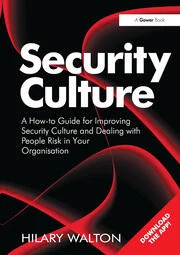
Security Culture: A How-to Guide for Improving Security Culture and Dealing with People Risk in Your Organisation

Security Culture: A How-to Guide for Improving Security Culture and Dealing with People Risk in Your Organisation

See More Products
SEC 2026 Top Cybersecurity Leaders

Related Articles

  • In Las Vegas, Body Cameras Reduced LVMPD’s Use of Force

    See More
  • GNA

    To keep pace with digital devices used in the course of crimes, Argentina’s border guard force uses a combination of technology and teamwork

    See More
  • inge huijbrechts

    Leading at the Crossroads of Sustainability and Security Risk: A Discussion with Inge Huijbrechts

    See More

Related Products

See More Products
  • security culture.webp

    Security Culture: A How-to Guide for Improving Security Culture and Dealing with People Risk in Your Organisation

  • Physical Security and Safety: A Field Guide for the Practitioner

  • Hospitality Security: Managing Security in Today's Hotel, Lodging, Entertainment, and Tourism Environment

See More Products

Events

View AllSubmit An Event
  • October 8, 2025

    How to Support the Security Guard Force in Challenging Environments

    ON DEMAND: In this webinar, learn how organizations are fostering trust among their security guard force to improve security posture and the safety of sites, processes and the officers themselves.
View AllSubmit An Event
×

Sign-up to receive top management & result-driven techniques in the industry.

Join over 20,000+ industry leaders who receive our premium content.

SIGN UP TODAY!
  • RESOURCES
    • Advertise
    • Contact Us
    • Store
    • Want More
  • SIGN UP TODAY
    • Create Account
    • eMagazine
    • Newsletter
    • Customer Service
    • Manage Preferences
  • SERVICES
    • Marketing Services
    • Reprints
    • Market Research
    • List Rental
    • Survey/Respondent Access
  • STAY CONNECTED
    • LinkedIn
    • Facebook
    • YouTube
    • X (Twitter)
  • PRIVACY
    • PRIVACY POLICY
    • TERMS & CONDITIONS
    • DO NOT SELL MY PERSONAL INFORMATION
    • PRIVACY REQUEST
    • ACCESSIBILITY

Copyright ©2026. All Rights Reserved BNP Media, Inc. and BNP Media II, LLC.

Design, CMS, Hosting & Web Development :: ePublishing