Organizations need to enhance current technical security controls to mitigate against the threat of deepfakes to the business. Training and awareness will also need revamping with special attention paid to this highly believable threat.
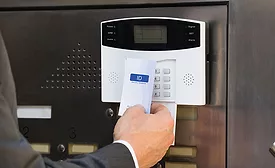
Expect the COVID-19 coronavirus pandemic to bring lasting changes to our lives, from the way we authenticate identity to how we open doors – and even use public restrooms. If there’s a theme among these changes, it’s that they will favor contactless solutions. The use of biometrics to authenticate employees and customers has snowballed over the last decade. Expect demand from public and private organizations to grow even faster as they require accurate identification of workers, students, patients and many more people in response to new challenges resulting from the virus.
The Wall Street Journal recently stated that commercial burglaries have almost doubled in New York City since March 12 when a state of emergency was declared. Reason being, thieves are targeting nonessential businesses that have shuttered locations as a result of government directives or are robbing essential businesses that would likely have more cash on hand. Multiple retail organizations are also reporting an increase in shoplifting attempts and point of sale shrink since the beginning of the coronavirus outbreak. In times like these, as a rise in theft, burglaries and other disturbances are expected, security is more important than ever.
Hospitals are where people go to seek treatment, recover, and address critical injuries. It is the place where doctors, nurses, and other healthcare providers devote themselves to helping people who need medical attention. In addition to this critical focus, a hospital also has to protect against unauthorized access, theft of medications or sensitive patient information, and guard against workplace violence, which affects hospitals more than other industries. At the same time, they must maintain a level of accessibility and openness, which presents difficulties as it relates to security.
The Department of Homeland Security (DHS) Homeland Security Advisory Council (HSAC) has introduced eight new members to the Youth Engagement Subcommittee.
A new survey on the current state of security operations center (SOC) performance has found that while some organizations have increased funding, the overall gains have been meager, and the most significant issues have not only persisted, but worsened.
Hackers will always exploit a crisis, and the coronavirus outbreak is no different. Since January, cybercriminals have leveraged the COVID-19 pandemic to stage all manner of cyberattacks, from ransomware take-overs of hospital systems to private network hacking. But the latest cybercrime scheme exploits the greatest cybersecurity vulnerability of all: human emotion.
ASIS International announced its decision to move Global Security Exchange (GSX) 2020 to a fully virtual experience, titled Global Security Exchange Plus (GSX+), which includes more than 80 industry-leading education sessions, a robust exhibition marketplace, and unique peer-to-peer networking opportunities.
The Security Industry Association (SIA) has announced the details for AcceleRISE 2020 – a virtual conference created by SIA’s RISE community for young professionals in the security industry – taking place July 27-31.
Threat actors launched a cyberattack against the Texas Office of Court Administration, the IT provider for many Texas courts, and encrypted their computer systems with ransomware, leaving those systems useless. Cognizant, which has a large presence in Dallas-Fort Worth and is one of the world’s largest and most sophisticated providers of information technology services for other companies, was hit with ransomware with losses currently estimated between $50 million and $70 million.
 RSS
RSS