Implementing a number of technologies within the retail setting can help organizations improve the customer experience, but more importantly, reduce shrink, mitigate fraud and improve security.
Bamburi Cement, based in Kenya, is the largest manufacturer of cement in Eastern Africa, producing around 5,000 tons every day. While the company knew it needed to beef up security to mitigate risk and protect the facilities from an increase in organized crime, the trick was finding a solution that wouldn't interrupt business operations.
Enterprise security leaders say physical security solutions are more important due to the COVID-19 pandemic. In fact, 75% of respondents said the coronavirus pandemic increased the importance of physical security within their organizations.
Technology continues to evolve at a pace that creates an environment where the abundance of choices and information can sometimes become overwhelming. Having a conversation about what current video surveillance technology can do in simple terms is helpful, as a security leader in charge of technology within the organization must sift through the available options and capabilities that weren’t readily available in the recent past.
When it comes to automating school procedures, it can often feel like a huge undertaking for administrators, but it doesn’t have to be. When administrators focus on automating and streamlining the everyday events that take place at their schools, they are able to provide their faculty and students with a safer and more reliable environment. Not only does automation allow for plenty of tasks to get done faster and more efficiently, but it allows faculty to invest their time in what’s most important— educating and supporting students.
It comes as no surprise that the number of deaths attributed to gun violence in 2020 far surpassed years prior and the trend is now continuing into 2021. Gun violence has been weighing heavily on law enforcement officials, especially after the recent riots and presidential inauguration threats. Organizations, institutions, government agencies, and public venues have the responsibility to take a more proactive approach in protecting their people. Now is the time for serious conversations around upgrading and modernizing security technologies.
Bloomberg has reported that a group of hackers have breached a database containing security camera feeds collected by Verkada Inc., a Silicon Valley startup. The database includes live feeds of 150,000 surveillance cameras inside hospitals, organizations, police departments, prisons and schools.
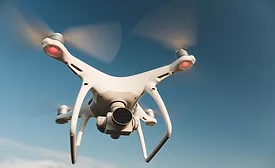
American Security Drone Act of 2021 The American Security Drone Act of 2021, formerly introduced as the American Security Drone Act of 2019, was given new life in January 2021 with bipartisan support and now incorporates drone detection and mitigation systems, not just drones. Here are five questions you can ask RF-based technology vendors to determine if they are in compliance with the federal advisory or could be banned by the American Security Drone Act of 2021 for security and cybersecurity reasons.
 RSS
RSS