U.S. Rep. John Katko unveiled a national cybersecurity improvement package, including the Cybersecurity and Infrastructure Security Agency Director and Assistant Directors Act, Strengthening the Cybersecurity and Infrastructure Security Agency Act of 2020, and the CISA Public-Private Talent Exchange Act. Together, these measures enhance national cybersecurity through the creation of a public-private workforce exchange program and empower CISA through increased stability in leadership positions and appropriate funding and resources.
United Community Bank has announced the addition of Bob Brown as Chief Information Security Officer. Bob, who has more than two decades of experience managing business technologies, will now work closely with the bank’s executive team to monitor risk and implement security processes to help minimize threats.
The UK has banned Huawei from its 5G telecom network, reversing a January decision to allow the embattled Chinese tech company a limited role in building the country's super-fast wireless infrastructure.
New research released by Emsi reveals that the US has less than half of the cybersecurity candidates it needs to keep up with ever-intensifying demand. The research says the answer to this challenge is a Build (Don’t Buy) strategy.
The Intelligence Community Center for Academic Excellence (IC-CAE), a new center at the University of Southern California will bring together students to study the fields of national security and intelligence.
ISACA's new COBIT guidance builds upon best practices shared for the governance and management of information and technology aimed at the whole enterprise through the lens of information security, and details additional metrics and activities that should be considered when implementing or assessing COBIT in the context of information security.
The annual Liberty Mutual Workplace Safety Index documents the top 10 causes of the most serious workplace injuries – those causing an employee to miss five or more days from work – and ranks them by their direct cost to employers, which consists of medical and lost-wage payments.
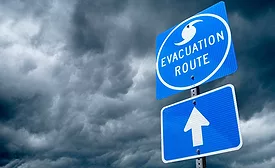
Evacuations and lockdowns are two events no organization wants to face, but every organization should be prepared for. They often happen in response to particularly dangerous situations that pose an immediate threat to people and property. It can be difficult to know how and when to make the decision to lockdown or evacuate, and it can be even more difficult to manage once the decision has been made. In either case, it requires organizations plan, test and have the right tools in place to reach all of their people quickly with information on what actions they should take to stay safe.
Governor Gavin Newsom and the California Department of Public Health expanded statewide its indoor closures for businesses that encourage mixing of individuals beyond immediate households and make physical distancing and wearing face coverings difficult.