While many cybersecurity attacks and breaches happen at major enterprise organizations, the reality is cybercriminals don’t discriminate by size and the aftermath of an attack can devastate a small business.
The IBM X-Force Threat Intelligence Index 2020 highlights how cybercriminals' techniques have evolved after decades of access to tens of billions of corporate and personal records and hundreds of thousands of software flaws.
Nearly half of all companies surveyed in a report have delayed moving an application into production because of concerns over security of containers or Kubernetes.
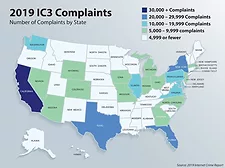
Internet-enabled crimes and scams show no signs of letting up, according to data released by the Federal Bureau of Investigation's (FBI) Internet Crime Complaint Center (IC3) in its 2019 Internet Crime Report.
Back away from the snooze button. This is a $29 million wake-up call you can’t afford to miss. In January 2019, Yahoo’s board agreed to pay the enormous $29 million settlement to its shareholders as the result of cyberattacks that compromised three billion Yahoo user accounts. It was the first time shareholders had successfully held a company responsible for data breaches. And it is a loud warning to corporate boards that they must start paying attention to cyber risks. But are they?
Despite higher levels of investment in advanced cybersecurity technologies over the past three years, less than one-fifth of organizations are effectively stopping cyberattacks and finding and fixing breaches fast enough to lower the impact, according to a new report from Accenture.