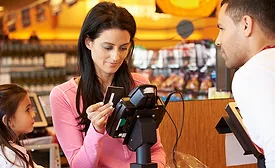
As consumers become increasingly comfortable using biometrics to unlock devices and log into accounts, there is a growing interest in bringing this technology to physical payment cards to provide simple-to-use multifactor authentication for in-store transactions. The Secure Technology Alliance released an introductory resource for those interested in better understanding the business case, impact and considerations for providing fingerprint-based biometric payment cards.
New research from the WatchGuard Threat Lab reveals that 50 percent of government and military employee LinkedIn passwords, largely from the US, were weak enough to be cracked in less than two days.
Research from Goode Intelligence sets out the qualitative and quantitative basis for the return on investment from the use of biometric authentication.
For the first time in recent years, credit card fraud -- which remains the highest fraud type for online retailers -- has dropped from 59 percent of total fraud found in the 2016 holiday week to 42 percent of total fraud found in 2017 the holiday week.
eBay is developing a new authentication program for some of its higher-end items to create a network of professional authenticators it can use to verify that products are legitimate.
From baby boomers to millennials, 52 percent of consumers would choose anything but a traditional username and password account registration when given the option.
Ground chuck and filet mignon are two very different types of beef. Ground chuck is priced for everyday meals. Filet mignon, however, is a luxury cut, prized for its tenderness with a price tag to match. Beef may be what’s for dinner, but what kind clearly matters to the consumer.
The FIDO Alliance has released a public draft of new security standards that could someday make user passwords obsolete, Forbes reports. The FIDO Alliance, a security-minded industry consortium that includes Google, Netflix and PayPal, is drawing the support of major tech companies looking for login alternatives with greater security, which easing the authentication burden on consumers, who must create and manage passwords and credentials for the numerous sites they visit.