Enterprise Services
Inside the Modern Warehouse: Securing the World’s New Front Door
When done properly, warehouse security is a strategic system.
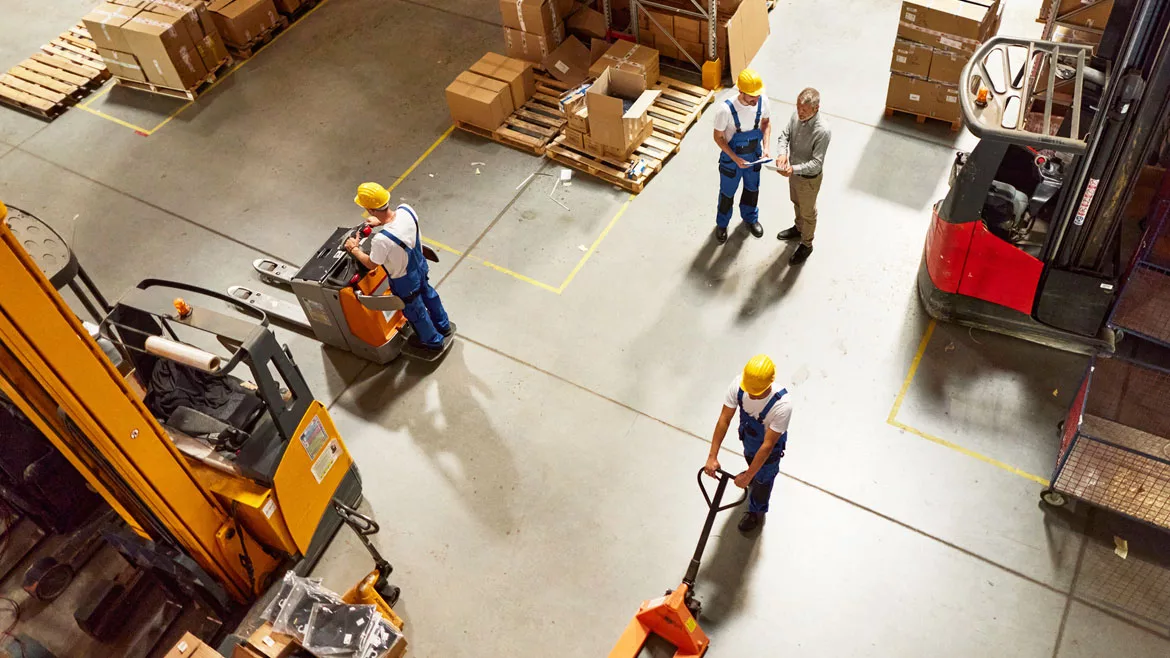
Warehouses are one of the most important and often overlooked assets in the supply chain. Distribution centers and logistics facilities have historically been thought of as large storage spaces or “big boxes” whose main priority was capacity and throughput. However, today’s warehouses are anything but big boxes. Modern distribution centers are supporting e-commerce orders, manufacturing supply chains, hospitals and pharmacies, and increasingly complex just-in-time supply chains.
With that shift in priority and functionality comes an increased risk. For organizations relying on distribution centers and logistics facilities to store inventory or serve as transshipment hubs, physical security solutions have typically focused only on the rear dock door. After all, that’s where all of the goods flow out, right?
What many don’t realize is that the busiest door in a warehouse is often the front door. Everyone from employees and contractors to visitors enters and exits through this entrance. And unless warehouses are taking active steps to control and manage this movement, they are exposing their businesses to unnecessary risk, including theft, workplace violence, liability, and supply chain disruption.
Warehouse Security Starts at the Perimeter
Successful warehouse security starts long before someone approaches the front door. Warehouses with poor perimeter and border control experience higher levels of unpredictable pedestrian and vehicular traffic. When parking lots, yard ingress and exterior pedestrian routes aren’t managed properly, these risks only grow closer to the warehouse itself.
Proactive security leaders think of the perimeter not just as the fence around the facility, but also any areas where staff, vehicles or materials transition between secured and non-secured areas. By controlling how people and vehicles approach the facility, warehouses can limit tailgating, impromptu entry and bad actor reconnaissance.
Instead of reacting to security incidents after they occur, warehouses can be proactive about preventing risk by managing how people and vehicles approach the facility.
Effectively securing warehouse entrances isn’t just about bolts on doors. Security leaders are realizing that they can collect data from secured entry points and use it to make their facilities smarter.
Manage Traffic Flow Through Layered Security
If not managed properly, thousands of visitors, contractors and employees could be milling about a warehouse complex each day. To maintain high levels of throughput without sacrificing security or increasing labor budgets, warehouses need a layered approach to secured entry.
Warehouses with multiple entry and exit points often fail to tie these doors into their overall security strategy. Employees may have one entrance designed to limit time clocking issues, while suppliers may enter through a dock door or loading bay.
By mapping how people naturally enter and exit a facility, warehouses can build layers of security that meet employees where they are. For example:
- Door 1: Employee entrance designed to eliminate tailgating
- Door 2: Visitor entrance focused on detection
- Door 3: Mixed employee/visitor entrance utilizing both prevention and detection
Layering secured entry not only allows warehouses to drive desirable behavior through the facility, but it also prevents gates from becoming free-for-alls.
Warehouse Security Is a System, Not a Single Door
Effectively securing warehouse entrances isn’t just about bolts on doors. Security leaders are realizing that they can collect data from secured entry points and use it to make their facilities smarter.
Take, for example, break and lunch periods. If employees are required to enter and exit the facility through a secured entry point during their time away from the warehouse floor, operations teams can have better visibility into who’s on the floor and when. This allows warehouses to reduce time clock fraud and ensure employees are adhering to safety protocols.
Warehouse exits are another area where entry data can make a huge impact on shrinkage. Implementing randomized exit screenings where employees don’t know whether they’ll be searched at the end of their shift has been shown to not only reduce theft but also to make employees feel less targeted by security protocols.
Layered entry/egress not only provides security teams with actionable data but also allows warehouses to align their security strategy with their overall operational needs.
Physical Security Should Be Part of Your Operational Strategy
The modern warehouse has evolved far beyond being the “eyes on the backend.” Distribution centers support just-in-time supply chains for manufacturers and retailers who rely on their facilities to serve as the “front door” to their businesses. With that increase in throughput comes a heightened risk for inventory shrinkage, labor inefficiencies, and overall brand risk.
Warehouses can avoid common security pitfalls by focusing on the entire ecosystem of secured entry. Layering security and designing secured entry points around how people naturally move through a facility allows companies to reduce shrinkage due to theft, increase productivity by using security gate data to their advantage, and improve operational efficiency through tightened access control.
Looking for a reprint of this article?
From high-res PDFs to custom plaques, order your copy today!