Security Magazine logo
search
cart
facebook twitter linkedin youtube
  • Sign In
  • Create Account
  • Sign Out
  • My Account
Security Magazine logo
  • NEWS
    • Security Newswire
    • Technologies & Solutions
  • MANAGEMENT
    • Leadership Management
    • Enterprise Services
    • Security Education & Training
    • Logical Security
    • Security & Business Resilience
    • Profiles in Excellence
  • PHYSICAL
    • Access Management
    • Fire & Life Safety
    • Identity Management
    • Physical Security
    • Video Surveillance
    • Case Studies (Physical)
  • CYBER
    • Cybersecurity News
    • More
  • BLOG
  • COLUMNS
    • Career Intelligence
    • Cyber Tactics
    • Cybersecurity Education & Training
    • Leadership & Management
    • Security Talk
  • EXCLUSIVES
    • Annual Guarding Report
    • Most Influential People in Security
    • The Security Benchmark Report
    • Top Guard and Security Officer Companies
    • Top Cybersecurity Leaders
    • Women in Security
  • SECTORS
    • Arenas / Stadiums / Leagues / Entertainment
    • Banking/Finance/Insurance
    • Construction, Real Estate, Property Management
    • Education: K-12
    • Education: University
    • Government: Federal, State and Local
    • Hospitality & Casinos
    • Hospitals & Medical Centers
    • Infrastructure:Electric,Gas & Water
    • Ports: Sea, Land, & Air
    • Retail/Restaurants/Convenience
    • Transportation/Logistics/Supply Chain/Distribution/ Warehousing
  • EVENTS
    • Industry Events
    • Webinars
    • Solutions by Sector
    • Security 500 Conference
  • MEDIA
    • Interactive Spotlight
    • Photo Galleries
    • Podcasts
    • Polls
    • Videos
      • Cybersecurity & Geopolitical Discussion
      • Ask Me Anything (AMA) Series
  • MORE
    • Call for Entries
    • Classifieds & Job Listings
    • Newsletter
    • Sponsor Insights
    • Store
    • White Papers
  • EMAG
    • eMagazine
    • This Month's Content
    • Advertise
  • SIGN UP!
CybersecuritySecurity NewswireSecurity & Business ResilienceCybersecurity News

How to Protect Organizations During the Winter Olympics, According to CISOs

By Jordyn Alger, Managing Editor
Person skiing
Maarten Duineveld via Unsplash
February 5, 2026

As the Winter Olympics approach, reports indicate that cybercriminals will seek to take advantage of the heightened activity. Whether from nation-state operatives or petty actors, organizations may see an increase in threat activity.

Attacks could come from, but are not limited to, the following:

  • Ransomware gangs, seeking financial gain
  • Hacktivists, who want disruption 
  • Nation-state groups, pursuing espionage

While attacks may vary, many will overlap. Common techniques security leaders should watch for include phishing, DDoS attacks, software/API vulnerabilities and previously compromised credentials. 

CISOs Discuss Winter Olympic Cyber Threats 

Randolph Barr, Chief Information Security Officer at Cequence Security:

The biggest risks to large events like the Olympics don’t come from new exploits. Instead, they originate from people misusing legitimate apps, identities and corporate processes. Phishing, impersonation, and automated misuse are becoming more prevalent techniques for attackers to gain access that seems legitimate, especially when thousands of employees, partners, and vendors are working together on systems they don’t know well and have tight deadlines. When there are large events, access levels are often elevated for a short period, apps and APIs are used to their fullest, and security teams are focused on keeping systems available than protected. This makes it tougher to spot slight abuse.

When attackers gain access, they usually don’t use malware or other dangerous behaviors to wreak damage; instead, they use trusted access. This involves taking over an account, abusing sessions and tokens, scraping automatically, perpetrating fraud, and staying in the environment for a long time. These things usually become part of everyday business and can go on for weeks or months without triggering standard security procedures that are supposed to stop intrusions, not misuse.

If businesses can observe how apps and APIs are being used in real time and know when things aren’t working as expected, they can prevent a lot of these dangers. If you have controls that can discover abnormal usage patterns, block automated abuse, and stop replaying credentials or tokens, you can stop assaults before they affect your business or lose you money. Security procedures that keep transactions and workflows safe are much more crucial when attackers are looking to compromise trust.

The 2024 example in which an employee was tricked into paying roughly $25 million through an AI-generated deepfake online conference shows how easy it can be, even in areas where there don’t seem to be any security weaknesses. People are more prone to trust attacks like this during large events like the Olympics because they are used to and expect odd, urgent demands.

Businesses that support the Olympics should keep in mind that securing infrastructure is equally as vital as protecting identities and applications when they design an event. Some of the trickiest attacks to identify are those that leverage trusted users, systems and workflows. 

Rex Booth, Chief Information Security Officer at SailPoint:

Attacks targeting these events are rarely “smash and grab” style operations; instead, they are calculated and methodical. As the report notes, attackers often compromise credentials, gain access to systems, and quietly collect data over extended periods of time, remaining undetected.

Any high-profile event, like the Winter Olympics, becomes a magnet for cybercriminals and fraudsters eager to exploit the enthusiasm of fans and the complexity of the event’s digital infrastructure. While digital ticketing has largely suppressed traditional scalping, it hasn’t eliminated the risk of scams. Fraudsters are adept at creating authentic-looking imitations to separate victims from their money. The responsibility lies with venues and event organizers to not only secure initial ticket transactions but also provide safe and authorized resale options. Without these safeguards, scammers can easily exploit desperate fans.

The worst-case scenario for victims isn’t just buying a fake ticket, it’s the compromise of their sensitive credentials or bank accounts. Sharing account information in the hope of securing an in-demand ticket can lead to devastating financial losses. Fans should remain vigilant: if anyone asks for sensitive details, it’s a scam. Walk away.

The Olympic organizers have also created a significant repository of sensitive personal information. This data is a prime target for both cybercriminals and nation-state actors, particularly those tracking diplomatic attendees. The organizers must ensure the security of this data not only during the event but for years afterward, as the risks don’t disappear when the Games end.

High-profile events like the Olympics tend to attract attackers looking to make a statement. The objective of making a big impact sometimes means using different tactics than, say, corporate espionage where you want to go unnoticed both on the way in and the way out. Organizers and defenders need to be on the lookout for threats that are oriented for maximal exposure and disruption rather than stealth and targeted objectives.

How Security Leaders Can Protect the Organization

“The same advice rings true for the Olympics as it does any other time of the year: if it sounds too good to be true, it probably is,” says Trey Ford, Chief Strategy and Trust Officer at Bugcrowd. 

In addition to safeguarding against specific techniques such as phishing or DDoS attacks, security leaders can bolster their organization’s defenses by engaging with one of their greatest assets: their people. 

Reminding employees of fundamental cyber-safe practices as well as enacting awareness training can support the organization’s security. Below, Ford provides a few reminders security leaders can impart to their organizations. 

“We all love a good deal, but take care in where you try to make purchases online. Buying from reputable sources (whether tickets, merchandise, or anything else) is the only way to avoid credit card theft and counterfeit products,” he states. “I believe that most people have learned not to enter credit cards into shady websites, and we should all think twice before giving away our email address and cell phone numbers. Never install applications after clicking an advertising link, especially when it came from trying to buy tickets or sports merchandise. Most of this fraud should clearly take place outside of the workplace. Ultimately, we should all avoid conducting personal business on our work accounts.” 

Through preparedness, awareness and resiliency, organizations can band together to make these Winter Olympics a cybersecurity success story. 

KEYWORDS: CISO Olympic Games Olympics Security threat intelligence

Share This Story

Looking for a reprint of this article?
From high-res PDFs to custom plaques, order your copy today!


Jordynalger

Jordyn Alger is the managing editor for Security magazine. Alger writes for topics such as physical security and cyber security and publishes online news stories about leaders in the security industry. She is also responsible for multimedia content and social media posts. Alger graduated in 2021 with a BA in English – Specialization in Writing from the University of Michigan. Image courtesy of Alger

Recommended Content

JOIN TODAY
To unlock your recommendations.

Already have an account? Sign In

  • Iintegration and use of emerging tools

    Future Proof Your Security Career with AI Skills

    AI’s evolution demands security leaders master...
    Career Intelligence
    By: Jerry J. Brennan and Joanne R. Pollock
  • The 2025 Security Benchmark Report

    The 2025 Security Benchmark Report

    The 2025 Security Benchmark Report surveys enterprise...
    The Security Benchmark Report
    By: Rachelle Blair-Frasier
  • The Most Influential People in Security 2025

    Security’s Most Influential People in Security 2025

    Security Magazine’s 2025 Most Influential People in...
    Most Influential People in Security
    By: Security Staff
Manage My Account
  • Security Newsletter
  • eMagazine Subscriptions
  • Manage My Preferences
  • Online Registration
  • Mobile App
  • Subscription Customer Service

More Videos

Sponsored Content

Sponsored Content is a special paid section where industry companies provide high quality, objective, non-commercial content around topics of interest to the Security audience. All Sponsored Content is supplied by the advertising company and any opinions expressed in this article are those of the author and not necessarily reflect the views of Security or its parent company, BNP Media. Interested in participating in our Sponsored Content section? Contact your local rep!

close
  • critical event management
    Sponsored byEverbridge

    Why a Unified View Across IT, Continuity, and Security Makes or Breaks Crisis Response

  • Charlotte Star Room
    Sponsored byAMAROK

    In an Uncertain Economy, Security Is a Necessity - Not an Afterthought

Popular Stories

Tree shaped as dollar sign

The Salary of a Chief Security Officer

Classroom with rows of desks facing a chalkboard

The AI Powered Classroom Network of the Future: Because Hackers Never Take Recess

Jaguar logo

New Update on Jaguar Land Rover Cyberattack: Q3 Wholesales Down 43%

Cloud icon

Google Cloud Service Exploited in New Phishing Campaign

Person holding phone to smart lock

Why it’s Time to Move on From Legacy Access Control Systems

SEC 2026 Benchmark Banner

Events

September 18, 2025

Security Under Fire: Insights on Active Shooter Preparedness and Recovery

ON DEMAND: In today’s complex threat environment, active shooter incidents demand swift, coordinated and well-informed responses.

February 26, 2026

Zero Incidents vs. Zero Tolerance – Workplace Violence Prevention Best Practices that Work

Workplace violence remains one of the most complex challenges facing healthcare organizations today. For executive security professionals, the stakes have never been higher: protecting staff, patients, and visitors while preserving a culture of compassion, dignity, and service.

View All Submit An Event

Products

Security Culture: A How-to Guide for Improving Security Culture and Dealing with People Risk in Your Organisation

Security Culture: A How-to Guide for Improving Security Culture and Dealing with People Risk in Your Organisation

See More Products

Related Articles

  • Sale sign

    How to Stay Safe Online This Black Friday, According to a Cyber Expert

    See More
  • Gavel and book

    Cyber Risks Can Be Legal Risks: How to Protect the Organization

    See More
  • Neon question mark

    Russian disinformation campaign attempts to disrupt the Paris Olympics

    See More

Related Products

See More Products
  • security culture.webp

    Security Culture: A How-to Guide for Improving Security Culture and Dealing with People Risk in Your Organisation

  • school security.jpg

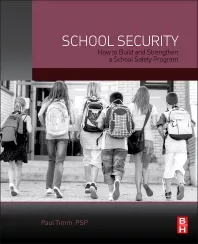
    School Security: How to Build and Strengthen a School Safety Program

  • The Complete Guide to Physical Security

See More Products
×

Sign-up to receive top management & result-driven techniques in the industry.

Join over 20,000+ industry leaders who receive our premium content.

SIGN UP TODAY!
  • RESOURCES
    • Advertise
    • Contact Us
    • Store
    • Want More
  • SIGN UP TODAY
    • Create Account
    • eMagazine
    • Newsletter
    • Customer Service
    • Manage Preferences
  • SERVICES
    • Marketing Services
    • Reprints
    • Market Research
    • List Rental
    • Survey/Respondent Access
  • STAY CONNECTED
    • LinkedIn
    • Facebook
    • YouTube
    • X (Twitter)
  • PRIVACY
    • PRIVACY POLICY
    • TERMS & CONDITIONS
    • DO NOT SELL MY PERSONAL INFORMATION
    • PRIVACY REQUEST
    • ACCESSIBILITY

Copyright ©2026. All Rights Reserved BNP Media.

Design, CMS, Hosting & Web Development :: ePublishing