A new Incident Response (IR) threat report by Secureworks reveals that cybercriminals are targeting vulnerabilities created by the pandemic-driven worldwide transition to remote work. The report is based on hundreds of incidents the company’s IR team has responded to since the start of the pandemic.
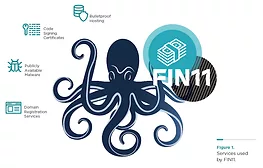
Mandiant Threat Intelligence researchers have identified FIN11, a financially-motivated hacking group behind bold, large and long-running malware campaigns. The hackers have expanded their range of targets the past two years while using increasingly aggressive ransomware attacks.
Norway has blamed Russia for the August cyberattack that targeted the email system of the country's parliament. "Based on the information the government has, it is our view that Russia is responsible for these activities," Foreign Minister Ine Eriksen Soreide said in a statement, the Moscow Times reports.
Carnival Corporation has disclosed that an Aug. 15 ransomware attack accessed the personal data of guests and employees of Carnival Cruise Line, Holland America Line and Seabourn. However, Carnival said there is a "a low likelihood of the data being misused."
Sixty-three percent of government workers say they are worried that cyberattacks on candidates, political parties, and voting infrastructure will impact the integrity of the upcoming U.S. election, according to the Government & Election Cybersecurity Threat Index released by Morphisec, provider of Advanced Threat Prevention. In addition, more than 3-in-4 government workers (77%) believe that states and local governments need more federal funding to protect voting infrastructure better.
The digitalization of industrial infrastructure is underway, and 55% of organizations are confident that the Internet of Things, as one of its key aspects, will change the state of security in industrial control systems (ICS). According to Kaspersky’s recent report, 20% of organizations have already prioritized IoT-related incidents, but effective solutions against IoT threats are not yet widespread.
One thing has become clear; to abide by the “new normal” restrictions, organizations need to be constantly aware of their environments’ compliance, in real-time. To do that, they need to improve their security and situational awareness, so they can quickly assess evolving situations and respond when violations occur.
With the emergence and continuation of the pandemic, organizations are looking for viable answers to help mitigate the immersion of remote working structures by providing real solutions that will allow organizations to get their hospitals, workforce, manufacturing and educational environments back to some sense of normal.
Telos Corporation, provider of cyber, cloud and enterprise security solutions, unveiled new findings from a survey conducted by independent research firm Vanson Bourne that highlights organizations’ ongoing struggle to keep up with IT security and privacy compliance regulations.
 RSS
RSS