As many have seen, the Log4Shell vulnerability, which was discovered over the weekend, is an extremely serious flaw and will likely impact organizations for years to come. Here’s what we know thus far, and how enterprises can remain safe as this vulnerability persists.
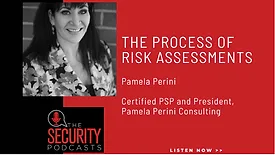
Pamela Perini, certified PSP and president of Pamela Perini Consulting, talks to Security about her journey through security and the process of risk assessment. She also touches on the importance of certification in the security industry and factors to consider when designing a security program.
Listen to the latest The Security Podcasts: Women in Security edition as we sit down with security veteran Pamela Perini to discuss risk assessments and the importance of certifications.
The International Foundation for Protection Officers (IFPO)'s new report, "The Competence of Frontline Workers and What They Say About Their Work," explores the typical responsibilities, skills and perceptions of the dynamic security officer role.
Healthcare employees are more likely to experience workplace violence (WPV) than any other profession. Five articles support the theory that simulators and coaching reduce workplace violence prevention through hands-on training that provides the workforce with the knowledge, awareness, skills and confidence to manage situations.
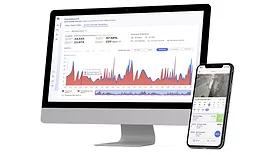
To manage unprecedented demand on the network, IT teams took to overprovisioning —
adding additional capacity to the network —
as a quick fix to maintain connections between employees, stakeholders and customers.
A new book focuses on risk management for enterprise security leaders. The publication, titled "Flip This Risk for Enterprise Security: Industry Experts Share Their Insights About Enterprise Security Management Risks for Organizations," discusses compliance, executive protection, travel security and more top-of-mind issues.
 RSS
RSS