Security Magazine logo
search
cart
facebook twitter linkedin youtube
  • Sign In
  • Create Account
  • Sign Out
  • My Account
Security Magazine logo
  • NEWS
    • Security Newswire
    • Technologies & Solutions
  • MANAGEMENT
    • Leadership Management
    • Enterprise Services
    • Security Education & Training
    • Logical Security
    • Security & Business Resilience
    • Profiles in Excellence
  • PHYSICAL
    • Access Management
    • Fire & Life Safety
    • Identity Management
    • Physical Security
    • Video Surveillance
    • Case Studies (Physical)
  • CYBER
    • Cybersecurity News
    • More
  • BLOG
  • COLUMNS
    • Career Intelligence
    • Cyber Tactics
    • Cybersecurity Education & Training
    • Leadership & Management
    • Security Talk
  • EXCLUSIVES
    • Annual Guarding Report
    • Most Influential People in Security
    • The Security Benchmark Report
    • Top Guard and Security Officer Companies
    • Top Cybersecurity Leaders
    • Women in Security
  • SECTORS
    • Arenas / Stadiums / Leagues / Entertainment
    • Banking/Finance/Insurance
    • Construction, Real Estate, Property Management
    • Education: K-12
    • Education: University
    • Government: Federal, State and Local
    • Hospitality & Casinos
    • Hospitals & Medical Centers
    • Infrastructure:Electric,Gas & Water
    • Ports: Sea, Land, & Air
    • Retail/Restaurants/Convenience
    • Transportation/Logistics/Supply Chain/Distribution/ Warehousing
  • EVENTS
    • Industry Events
    • Webinars
    • Solutions by Sector
    • Security 500 Conference
  • MEDIA
    • Interactive Spotlight
    • Photo Galleries
    • Podcasts
    • Polls
    • Videos
      • Cybersecurity & Geopolitical Discussion
      • Ask Me Anything (AMA) Series
  • MORE
    • Call for Entries
    • Classifieds & Job Listings
    • Newsletter
    • Sponsor Insights
    • Store
    • White Papers
  • EMAG
    • eMagazine
    • This Month's Content
    • Advertise
  • SIGN UP!
CybersecurityManagementSecurity NewswireTechnologies & SolutionsCybersecurity News

61% of business don’t apply basic password security techniques, here’s how to
phishing
October 1, 2020

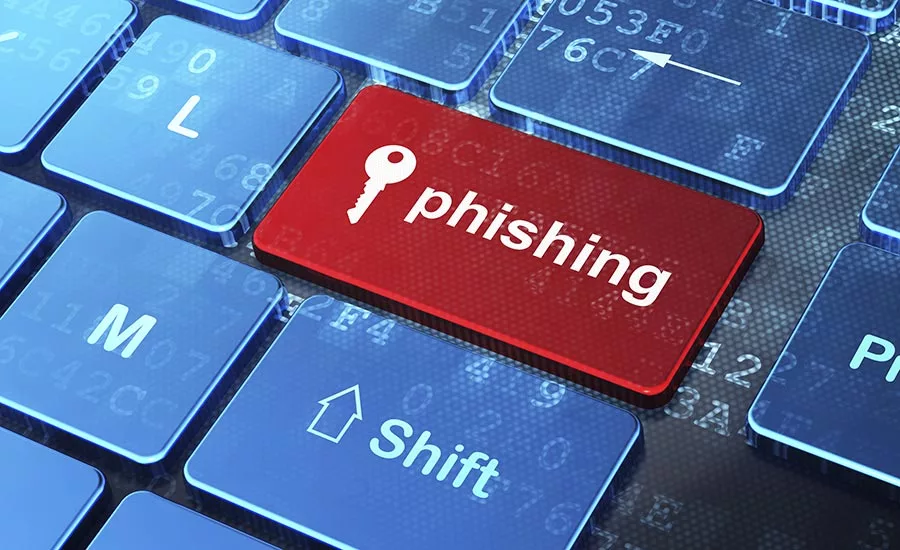
Specops Software discovered that 41% of employees had not been provided with adequate cybersecurity training while working from home, and they were keen to discover which sectors were experiencing the most threats during this time. They found that 54% of businesses across 11 sectors have seen a rise in cybercrime threats since working from home, with phishing being the most prevalent attack.

Password-related breaches are among the most prevalent attacks, and Verizon found that almost 80% of all breaches are connected with compromised credentials or weak passwords! Despite knowing not to use basic passwords, many still do.

However, after surveying 1,832 business owners, they found that:

  • 39% don’t offer proper personnel password training
  • 61% don’t require password complexity to improve strength
  • 44% don’t have adequate understanding of brute-force attacks
  • 35% don’t deactivate unused employee profiles
  • Only 26% include strong multi-factor authentication methods!

Here are Specops Software’s top five tips on how businesses can improve password security in their organization:

  1. Proper personnel training

No matter what innovative protection algorithms are used in your company, if your staff keep passwords in a text doc on the desktop, or even worse on a sheet of paper, all other security measures are likely to fail. That’s why it’s critical to invest in cybersecurity training to teach your personnel the basics of information protection, including proper password management tools where they would have to remember just one passphrase and the software would do the rest – that way passwords would be protected.


  1. Password strength requirement

Apart from the widely used complexity requirements (minimum number of characters, upper- and lower-case letters, as well as special symbols and numbers), it’s necessary to consider more complex password policies within Active Directory (AD). These include maximum password age to force users to regularly change their passwords, ensuring proper data encryption so even in a case of a breach the data remains safe, and storing the password history to avoid the reuse of previous passwords. 


  1. Brute-force protection

Brute-force attacks aim at guessing passwords by trying different popular combinations as well as dictionary attacks (searching correct combination by existing dictionary words). Despite the best security practices, people still opt for simpler passwords that increase chances for successful breaches. The best way to avoid it is automatic lockdown for logins after several failed attempts as well as the IP address block if the failed attempts continue. It can be done in AD as well as in different corporate resources.


  1. Profile deactivation during employee attrition

According to a recent study on password usage, 50% of accounts in a company are stale, which increases the risks of unauthorized use of corporate resources. Even if the departure was mutually agreed, it’s better to be safe than sorry and change all shared passwords right away after their last working day. The ideal variant would be to avoid using shared passwords as much as possible. Still, there are some cases when it’s not possible. The same goes for immediate deactivation of the user’s profile. This practice would help to protect from sensitive data exposure as well as minimize the usage of your resources in someone’s personal interest (selling data for competitors or blackmailing the company).


  1. Additional protection layers

Unfortunately, passwords today cannot be fully replaced by alternative authentication methods such as 2FA, where users would have to confirm their login via codes sent to their emails or phones, or using an even more secure way such as one-time passwords (OTO). Including these methods where possible significantly reduces the risk of a successful login even when a password leakage occurs.

While complex security measures include other steps such as VPN protection for internal resources, trusted firewalls, and anti-malware software, passwords management plays a significant role in system protection. Using these tips in everyday administration management will help to limit the number of successful breaches connected to weak passwords, thus increasing the integrity of the overall IT estate.


KEYWORDS: credentials cyber security data breaches password remote workers

Share This Story

Looking for a reprint of this article?
From high-res PDFs to custom plaques, order your copy today!

Recommended Content

JOIN TODAY
To unlock your recommendations.

Already have an account? Sign In

  • Cyber tech background

    Security’s Top Cybersecurity Leaders 2026

    Security magazine’s Top Cybersecurity Leaders 2026 award...
    Security Leadership and Management
  • Iintegration and use of emerging tools

    Future Proof Your Security Career with AI Skills

    AI’s evolution demands security leaders master...
    Security Leadership and Management
    By: Jerry J. Brennan and Joanne R. Pollock
  • The 2025 Security Benchmark Report

    The 2025 Security Benchmark Report

    The 2025 Security Benchmark Report surveys enterprise...
    The Security Benchmark Report
    By: Rachelle Blair-Frasier
Manage My Account
  • Security Newsletter
  • eMagazine Subscriptions
  • Manage My Preferences
  • Online Registration
  • Mobile App
  • Subscription Customer Service

More Videos

Sponsored Content

Sponsored Content is a special paid section where industry companies provide high quality, objective, non-commercial content around topics of interest to the Security audience. All Sponsored Content is supplied by the advertising company and any opinions expressed in this article are those of the author and not necessarily reflect the views of Security or its parent company, BNP Media. Interested in participating in our Sponsored Content section? Contact your local rep!

close
  • Northland Controls sponsored content
    Sponsored byNorthland Controls

    The Execution Gap: Why Great Security Design Doesn't Always Deliver Great Security

Popular Stories

Man in suit looking out window at city

Why GSOCs and Protective Intelligence Are the Cornerstone of Executive Protection

Photograph of apartment complex patios

Enhancing Residential Building Security

5 Minutes with Johnson

Can Organizations Trust Their Own AI?

Open filing cabinet

The Inside Job: Corporate Espionage Never Went Away

Person working on laptop

When Cyber Meets Physical: Rethinking Data Management for a New Threat Landscape

Events

September 10, 2026

So, You Have an Emergency Management Plan… Now What?

LIVE: September 10, 2026 at 2 PM EDT Turning an emergency management plan into an actionable program that prepares staff, students, and partners to respond effectively is a challenge. Learn to move beyond compliance and build a resilient school safety program.
September 22, 2026

How to Detect, Verify, and Respond to AI-Driven Disinformation

LIVE: September 22, 2026 at 2 PM EDT Identify emerging threats, validate information with confidence, and coordinate an effective response across your organization. Learn how to build the people, processes, and technology needed to improve speed-to-truth.

View All Submit An Event

Products

Security Culture: A How-to Guide for Improving Security Culture and Dealing with People Risk in Your Organisation

Security Culture: A How-to Guide for Improving Security Culture and Dealing with People Risk in Your Organisation

See More Products

Related Articles

  • schools remote learning

    Schools, here’s how to stay cyber-safe in the age of remote learning

    See More
  • Are Security Officers Difficult to Motivate? Yes, and Here’s How to Overcome It

    See More
  • migrating physical security to the cloud

    As demand for cloud grows, here’s how to make security an essential line item

    See More

Related Products

See More Products
  • security culture.webp

    Security Culture: A How-to Guide for Improving Security Culture and Dealing with People Risk in Your Organisation

  • school security.jpg

    School Security: How to Build and Strengthen a School Safety Program

  • physical security.webp

    Physical Security Assessment Handbook An Insider’s Guide to Securing a Business

See More Products
×

Sign-up to receive top management & result-driven techniques in the industry.

Join over 20,000+ industry leaders who receive our premium content.

SIGN UP TODAY!
  • RESOURCES
    • Advertise
    • Contact Us
    • Store
    • Want More
  • SIGN UP TODAY
    • Create Account
    • eMagazine
    • Newsletter
    • Customer Service
    • Manage Preferences
  • SERVICES
    • Marketing Services
    • Reprints
    • Market Research
    • List Rental
    • Survey/Respondent Access
  • STAY CONNECTED
    • LinkedIn
    • Facebook
    • YouTube
    • X (Twitter)
  • PRIVACY
    • PRIVACY POLICY
    • TERMS & CONDITIONS
    • DO NOT SELL MY PERSONAL INFORMATION
    • PRIVACY REQUEST
    • ACCESSIBILITY

Copyright ©2026. All Rights Reserved BNP Media, Inc. and BNP Media II, LLC.

Design, CMS, Hosting & Web Development :: ePublishing