Security Magazine logo
search
cart
facebook twitter linkedin youtube
  • Sign In
  • Create Account
  • Sign Out
  • My Account
Security Magazine logo
  • NEWS
    • Security Newswire
    • Technologies & Solutions
  • MANAGEMENT
    • Leadership Management
    • Enterprise Services
    • Security Education & Training
    • Logical Security
    • Security & Business Resilience
    • Profiles in Excellence
  • PHYSICAL
    • Access Management
    • Fire & Life Safety
    • Identity Management
    • Physical Security
    • Video Surveillance
    • Case Studies (Physical)
  • CYBER
    • Cybersecurity News
    • More
  • BLOG
  • COLUMNS
    • Career Intelligence
    • Cyber Tactics
    • Cybersecurity Education & Training
    • Leadership & Management
    • Security Talk
  • EXCLUSIVES
    • Annual Guarding Report
    • Most Influential People in Security
    • The Security Benchmark Report
    • Top Guard and Security Officer Companies
    • Top Cybersecurity Leaders
    • Women in Security
  • SECTORS
    • Arenas / Stadiums / Leagues / Entertainment
    • Banking/Finance/Insurance
    • Construction, Real Estate, Property Management
    • Education: K-12
    • Education: University
    • Government: Federal, State and Local
    • Hospitality & Casinos
    • Hospitals & Medical Centers
    • Infrastructure:Electric,Gas & Water
    • Ports: Sea, Land, & Air
    • Retail/Restaurants/Convenience
    • Transportation/Logistics/Supply Chain/Distribution/ Warehousing
  • EVENTS
    • Industry Events
    • Webinars
    • Solutions by Sector
    • Security 500 Conference
  • MEDIA
    • Interactive Spotlight
    • Photo Galleries
    • Podcasts
    • Polls
    • Videos
      • Cybersecurity & Geopolitical Discussion
      • Ask Me Anything (AMA) Series
  • MORE
    • Call for Entries
    • Classifieds & Job Listings
    • Newsletter
    • Sponsor Insights
    • Store
    • White Papers
  • EMAG
    • eMagazine
    • This Month's Content
    • Advertise
  • SIGN UP!
Security Enterprise ServicesSecurity Education & TrainingArenas / Stadiums / Leagues / Entertainment

Reevaluating Enterprise Ethics After the FIFA Corruption Scandal

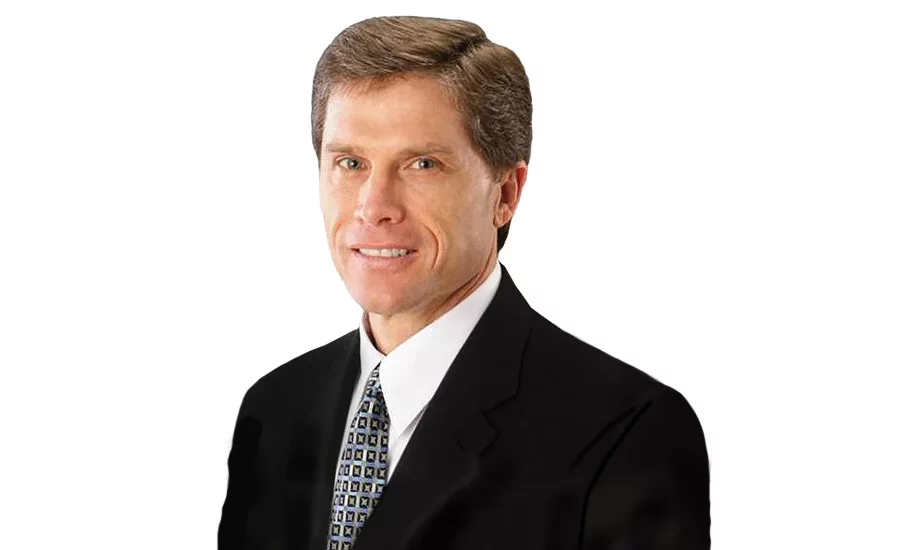
By Andrew Foose, J.D.
Reevaluating Enterprise Ethics After the FIFA Corruption Scandal; FIFA corruption, enterprise ethics, ethics policy, FIFA scandal, fraud investigations
Andrew Foose, J.D., vice president of NAVEX Global’s Advisory Services team
Reevaluating Enterprise Ethics After the FIFA Corruption Scandal; FIFA corruption, enterprise ethics, ethics policy, FIFA scandal, fraud investigations
Andrew Foose, J.D., vice president of NAVEX Global’s Advisory Services team
March 1, 2016

As the ethics crisis at FIFA continues to play out in the news, it would be easy for business leaders to dismiss the headlines as uninstructive, even irrelevant. FIFA, after all, is a non-profit sports organization, not a business. And its ethical failures are on such a grand scale that most security and compliance officers could reasonably conclude they’ll never face anything like them.

But I’d warn against ignoring the FIFA scandal. In fact, it can be highly instructive to every security and compliance officer.

To quickly review, FIFA, the governing body for world soccer, has been engulfed in scandal since Spring 2015, when Swiss authorities indicted 14 soccer officials on corruption charges. But allegations of bribery, self-dealing and other corrupt behaviors have swirled around FIFA for decades, and especially since the election of Sepp Blatter as president in 1998. Last June, Blatter announced his resignation, but said he’d stay until FIFA found a suitable replacement. Instead, FIFA’s ethics committee suspended him in October while it looked into suspected corruption. And then, on December 21, the committee concluded its investigation and banned Blatter from soccer for eight years.

While banning its long-time president may seem like a show of strength by FIFA’s ethics committee, it can also be seen as too little, too late.

Corruption in FIFA has been a problem for years. Back in 2002, Blatter’s chief deputy submitted a dossier to Swiss authorities detailing all sorts of malfeasance at FIFA. Blatter survived the scandal, keeping his job while the whistleblowing deputy was squeezed out. It helped that FIFA had no ethics policy at the time; whatever he’d done, Blatter hadn’t broken the rules because there weren’t any.

First lesson: Every organization needs ethics and compliance policies that set the standards of behavior that employees and executives are expected to abide by. The policies must be written, updated regularly and treated seriously by leadership. And the goal should be not just to ensure employees abide by the law, but that they behave in a way that protects the organization’s reputation.

FIFA did release a Code of Ethics in 2004, but here we are, 11 years later, and the committee charged with enforcing those rules is accusing the president of conflicts of interest, breach of fiduciary duty and other ethical failings. Between the creation of the policy and Blatter’s punishment, he was reelected twice amid a steady stream of scandalous headlines.

What this suggests is that, even with a Code of Ethics, FIFA didn’t really take ethics seriously. This is something that we see, albeit on a smaller scale, at many organizations: Policies are commemorated in writing, but not communicated or enforced in ways that indicate leadership truly cares about them. This helps create a culture of tolerance for behavior that will inevitably bring legal and reputational harm on the organization.

Second lesson: It’s vital to exercise constant vigilance against cultures that allow employees and executives to bend the rules to achieve business objectives, or for personal gain. Without such vigilance, it is all too easy for individual actors to rationalize taking unethical actions – indeed, to not even see them as unethical.  Clear polices are essential to this effort – but it also requires consistent enforcement.

What’s most shocking about Blatter’s downfall is that he’s only now being truly scrutinized by FIFA. Why didn’t the organization clean itself up, say, back in 2002, when Blatter’s own deputy documented financial mismanagement, conflicts of interest and abuse of power? Why wait until 2015? From the outside the answer looks simple: because this was the year that Swiss and American law enforcement got involved. It is only in the aftermath of their actions that FIFA seems to be getting serious, with the Executive Committee approving widespread institutional reforms in December 2015, and with the Ethics Committee’s actions following a few weeks later.

Third lesson: Never, ever wait to take action on ethical matters until outside authorities get involved.

Handling matters internally – as early as possible – without sweeping them under the rug or providing superficial closure, not only keeps those problems from escalating, but also gives employees confidence to come forward in case they ever encounter ethical violations. If those issues are not addressed, it sends the implicit signal that unethical behavior is tolerated.

None of these lessons is a revelation brought on by the FIFA scandals, of course. What those scandals illustrate, however, is just how crucial it is to abide by the most basic of rules for creating and maintaining a culture of ethics and compliance.

KEYWORDS: FIFA corruption FIFA scandal Fraud Investigations security ethics

Share This Story

Looking for a reprint of this article?
From high-res PDFs to custom plaques, order your copy today!


Andrew foose

Andrew Foose, J.D., vice president of NAVEX Global’s Advisory Services team, is a former senior trial attorney in the U.S. Department of Justice’s Civil Rights Division. He is recognized among the country’s leading experts on conducting lawful and effective internal investigations. He works with organizations ranging from large multi-national companies to smaller non-profits to assess their ethics and compliance programs and to provide guidance on ways to enhance program effectiveness and efficiency.

Recommended Content

JOIN TODAY
To unlock your recommendations.

Already have an account? Sign In

  • Cyber tech background

    Security’s Top Cybersecurity Leaders 2026

    Security magazine’s Top Cybersecurity Leaders 2026 award...
    Top Cybersecurity Leaders
  • Iintegration and use of emerging tools

    Future Proof Your Security Career with AI Skills

    AI’s evolution demands security leaders master...
    Columns
    By: Jerry J. Brennan and Joanne R. Pollock
  • The 2025 Security Benchmark Report

    The 2025 Security Benchmark Report

    The 2025 Security Benchmark Report surveys enterprise...
    The Security Benchmark Report
    By: Rachelle Blair-Frasier
Manage My Account
  • Security Newsletter
  • eMagazine Subscriptions
  • Manage My Preferences
  • Online Registration
  • Mobile App
  • Subscription Customer Service

More Videos

Popular Stories

SEC Podcast Header Podcast

Credential Management in High Turnover Environments

Glowing police siren

Security Isn’t a Commodity. Neither Is Off-Duty Law Enforcement

Soccer stadium

How the Current Iran-US Conflict May Impact World Cup Security

Laptop in darkness

Reframing MFA Bypass: Four Identity Gaps Attackers Exploit

Man with covered face

Why Most Workplace Violence Prevention Starts Too Late

SEC 2026 Benchmark Banner

Events

July 8, 2026

The 2026 Security Maturity Benchmark Report: Insights From Senior Security Leaders

LIVE: July 8, 2026 at 2 pm EDT In this webinar, speakers will share key insights from the report, including why today’s threat environment demands greater maturity and how to evaluate your organization’s current security posture.

View All Submit An Event

Products

Security Culture: A How-to Guide for Improving Security Culture and Dealing with People Risk in Your Organisation

Security Culture: A How-to Guide for Improving Security Culture and Dealing with People Risk in Your Organisation

See More Products


Alertmedia sponsored webinar

Related Articles

  • Officers at an event

    The 2026 FIFA World Cup Will Test Security Operations Like Never Before

    See More
  • Phone with message icon

    The Post-Breach Narrative: Winning Back Trust After the Headlines Fade

    See More
  • ransomware917-freepik1170x658.jpg

    Five years after the WannaCry ransomware attack

    See More

Related Products

See More Products
  • 9780367030407.jpg

    National Security, Personal Privacy and the Law

  • Physical Security and Safety: A Field Guide for the Practitioner

  • Risk Analysis and the Security Survey, 4th Edition

See More Products

Events

View AllSubmit An Event
  • April 21, 2026

    The Blind Spot in Enterprise Security: Managing Workforce Risk Post-Hire

    ON DEMAND: Organizations monitor their networks and systems for risk, yet people with legitimate access are often the least monitored part of the model. Discover a Workforce Risk Intelligence Framework that adds a dedicated layer focused on workforce risk.
View AllSubmit An Event
×

Sign-up to receive top management & result-driven techniques in the industry.

Join over 20,000+ industry leaders who receive our premium content.

SIGN UP TODAY!
  • RESOURCES
    • Advertise
    • Contact Us
    • Store
    • Want More
  • SIGN UP TODAY
    • Create Account
    • eMagazine
    • Newsletter
    • Customer Service
    • Manage Preferences
  • SERVICES
    • Marketing Services
    • Reprints
    • Market Research
    • List Rental
    • Survey/Respondent Access
  • STAY CONNECTED
    • LinkedIn
    • Facebook
    • YouTube
    • X (Twitter)
  • PRIVACY
    • PRIVACY POLICY
    • TERMS & CONDITIONS
    • DO NOT SELL MY PERSONAL INFORMATION
    • PRIVACY REQUEST
    • ACCESSIBILITY

Copyright ©2026. All Rights Reserved BNP Media, Inc. and BNP Media II, LLC.

Design, CMS, Hosting & Web Development :: ePublishing