Enterprise Services
Protecting the Cloud Starts at the Perimeter
Physical and digital security can no longer be treated as separate conversations.
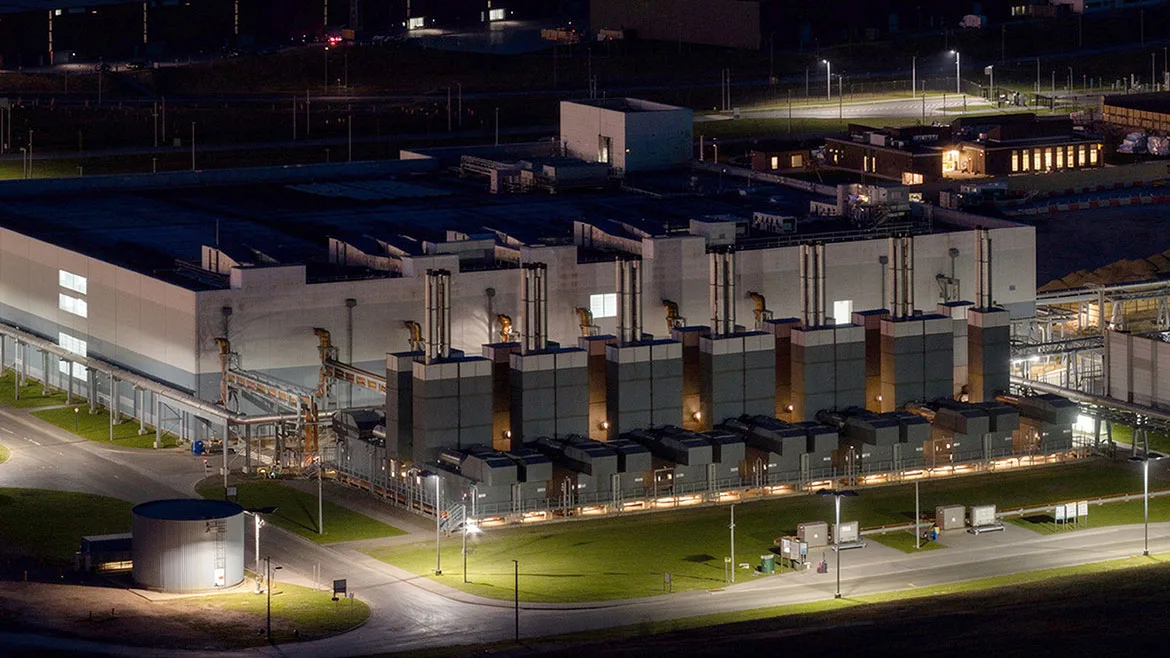
Data centers have quietly become the backbone of everyday life. As AI, cloud computing, and digital commerce continue to grow, these facilities underpin everything from financial transactions and healthcare systems to emergency services and the platforms that governments depend on daily. Yet, for all the attention paid to cybersecurity, firewalls, and encrypted servers, the more tangible vulnerability posed by what's happening outside the building is finally getting the attention it requires.
The parking lots, utility vaults, fiber entry points, backup generators, and access panels that surround a data center are all potential targets for bad actors. And for too long, many of them have been protected by little more than a shared PIN code.
It's easy to picture a data center as a single, heavily guarded building sitting by itself, but the reality isn’t as clean-cut, since data centers come in different shapes and sizes. Small ones may occupy the floor of a building near a city center, while large-scale campuses operate more like self-contained cities, with independent cooling systems, fuel storage, backup power, and utility connections spread across a wide physical footprint. Regardless of a data center’s size, each of those elements is a potential vulnerability, though. Compromise the right exterior cabinet or utility vault, and you may never need to touch a server to cause serious damage.
The stakes are pretty high. A major cloud provider going dark today wouldn't just take down websites; it could disrupt commerce, communications, public utilities, and emergency operations within minutes. That's why the Cybersecurity and Infrastructure Security Agency (CISA) has formally recognized data centers as critical national infrastructure, a designation that brings both heightened expectations and increased scrutiny.
Given all of that, it's striking how many facilities have historically relied on outdated physical security practices. Shared keypad credentials, traditional mechanical locks, and static PIN codes remained surprisingly common in secondary access areas such as exterior enclosures, underground vaults, and rooftop entry points, often because those spaces fell outside IT-focused security conversations.
Thankfully, that's changing. Security professionals are increasingly pushing for layered approaches to the building’s exterior and grounds that combine intelligent access control, biometrics, high-security mechanical systems, and continuous monitoring. For example, multi-factor authentication is replacing shared PINs, facial recognition is appearing at key perimeter entry points, and intelligent key management systems are bringing accountability to areas that might have been previously overlooked. To be clear, this shift is about how seriously organizations are beginning to take their physical security, not the security technology itself.
“The stakes are pretty high. A major cloud provider going dark today wouldn't just take down websites; it could disrupt commerce, communications, public utilities, and emergency operations within minutes.”
The good news is that industry standards are evolving to reflect today’s challenges. Many existing frameworks were written years ago and simply don't account for the complexity of cloud-connected environments. In some cases, they still reference approaches that practitioners consider obsolete. That's prompting active revision efforts across the telecommunications and infrastructure standards landscape. Security experts, cloud providers, and infrastructure stakeholders are working together to establish clearer, more consistent expectations for perimeter protection and access control across hyperscale campuses and smaller regional facilities, as well as enterprise data rooms and distributed infrastructure sites that perform equally critical functions, often without attracting as much attention.
One of the more meaningful developments in this space is the growing use of physical penetration testing (or pen testing). Higher-security facilities are increasingly bringing in third parties to probe their perimeter systems and access controls against real-world attack scenarios. It's a practice long common in cybersecurity, and its adoption in physical security reflects a maturing understanding that protection isn't something you deploy once and forget about. It needs to be validated regularly.
The most important mindset shift underway is the recognition that physical and digital security can’t be treated as separate conversations. In a hyperconnected world, the perimeter isn't just a fence or a locked door; it's part of the infrastructure that keeps the digital economy running. Data centers will keep expanding, and organizations responsible for securing them face a real challenge in modernizing physical protection practices to match the environments they operate in. Getting it right matters because they’re protecting the systems that everything else depends on.
Looking for a reprint of this article?
From high-res PDFs to custom plaques, order your copy today!