Explosives Thrown in Attempted Terrorist Attack Near NYC Mayor’s Home
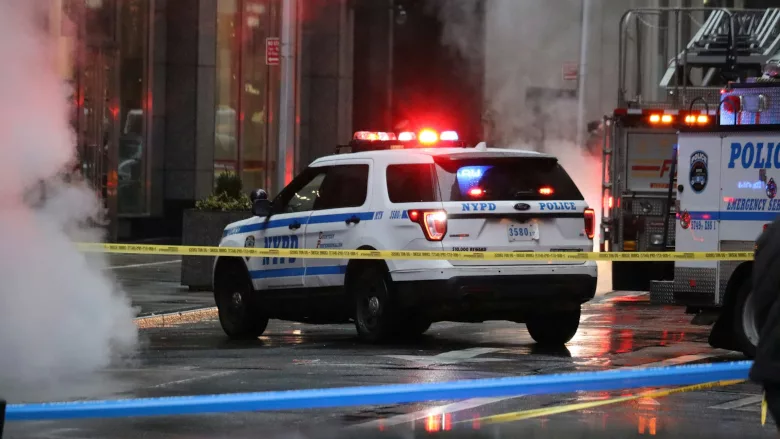
On Mar. 8, devices were ignited in the midst of an anti-Islam protest and a counterprotest outside of the residence of New York City Mayor Zohran Mamdani. According to Police Commissioner Jessica Tisch, the devices thrown were “improvised explosive devices made to injure, maim or worse.” While none of the devices detonated, at least one was confirmed to contain a highly volatile homemade explosive. No one was injured.
Tisch also asserted that at this time, there is no evidence that connects this act to the conflict overseas in Iran.
Attack Investigated as ‘ISIS-inspired’ Terrorism
As reported by CNN, right-wing influencer Jake Lang organized an anti-Islam protest which was soon met with a counterprotest. It reached around 125 participants.
Then, Emir Balat, 18, threw an explosive device at the protest. It struck a barrier and extinguished itself, and Balat received a second device from Ibrahim Kayumi, 19, lit it, and ran. The device was dropped, emanating smoke, but likewise did not detonate. Balat and Kayumi were arrested at the scene.
Authorities state both suspects asserted ISIS inspired their actions.
Balat and Kayumi “have been charged with committing a heinous act of terrorism and proclaiming their allegiance to ISIS,” said Mamdani. “They should be held fully accountable for their actions. We will continue to keep New Yorkers safe. We will not tolerate terrorism or violence in our city.”
Both suspects face the following charges:
- Unlawful possession/use of a weapon of mass destruction
- Transporting explosives
- Attempting to aid a foreign terrorist organization
Political Violence and Security
Politico asserts that as the first Muslim mayor of New York City, Mamdani “is facing uniquely fraught cultural, religious and political forces” and this incident could be considered “a grim preview of what may await.”
For many security professionals, political violence may feel like a new, daunting challenge on the horizon, but oftentimes these incidents possess many of the same warning signs as workplace violence.
Alan Saquella, CPP, CPE, who serves as Assistant Professor at the College of Business, Security and Intelligence for Embry-Riddle Aeronautical University, asserts that political violence doesn’t often occur at random. Instead, there are well-documented steps many potential perpetrators follow before enacting acts of violence. By educating oneself on these steps and recognizing the warning signs, security leaders can be prepared to meet the threat of political violence.
Saquella stated, “Whether the trend [of political violence] grows or fades, security professionals must stay grounded in training and proven models: recognize the pathway to violence, assess threats systematically, intervene early, and resist the temptation to inflate threats based on sensational headlines.”
Looking for a reprint of this article?
From high-res PDFs to custom plaques, order your copy today!