The COVID-19 pandemic of 2020 has challenged our global society in many ways. It is truly a unique and unprecedented situation of our time, which requires communities around the world to come together to defeat the virus.
While employees are the key to identifying cybersecurity vulnerabilities quickly, many companies have failed to create a welcoming environment for whistleblowers. During COVID-19, how can you safely blow the whistle?
Ransomware. It may be the most feared word of security and risk managers. After countless headlines and costs of over 11.5 billion dollars in 2019 alone, organizations around the world are understandably terrified of being hit by a ransomware attack. What are four steps you can take to protect against ransomware?
On April 21, the Small Business Administration (SBA) revealed that around 8,000 small business loan applicants had their potentially sensitive information exposed in a data leak affecting the website being used to host the online application.
Last year, ASIS International released the Enterprise Security Risk Management (ESRM) Guideline, which takes a different approach to traditional security. The ESRM Guideline was released at the 2019 Global Security Exchange (GSX) in September, and the Maturity Model is now available on the ASIS website.
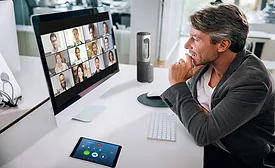
As with all digital and online tools, there are inherent security risks associated with utilizing video conferencing platforms. What are some concrete steps that consumers and organizations alike can take now to improve security while video conferencing?
According to Verizon's 2019 Mobile Security Index report, two-thirds of organizations said they are less confident about the security of their mobile assets than other devices. Many of these breaches occur due to vulnerable devices, servers and applications that allow bad actors to gain access. Security breaches and the threat of compromise are a serious issue for organizations of all sizes.
When it involves the safety of residents, data needs to be reliable and easily accessed – which is where a 0G network comes in. IoT connectivity options like 0G provide a cost-efficient, low-power and user-friendly experience, with simple integration for public safety officials looking to stay up-to-date and secure. Here are some ways IoT devices running on a 0G network can be used to aid officials, allowing for better public safety.
 RSS
RSS