Deepfakes are taking the cybersecurity field by storm, and the artificial intelligence (AI) technology needed to create them is only becoming more sophisticated. Here’s how to thwart the two types of deepfakes.
Baselland Transport AG (BLT), a Swiss public transit provider, has employed an AI-based platform from Nokia and Schweizer Electronics to better secure railroad crossings.
The "Beyond the Cyber EO: How to Build a Better Mousetrap" report from MeriTalk asked federal cybersecurity leaders for their thoughts on the May 2021 executive order on cybersecurity and how the field can move forward.
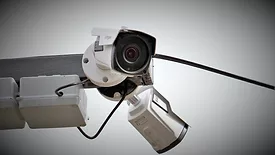
Video surveillance has evolved with changing technology. Artificial intelligence-enabled surveillance presents various opportunities for public application.
A new IEEE study covers the most important technologies in 2022, industries most impacted by technology in the year ahead, and technology trends through the next decade.
Cybersecurity researchers from the University of Missouri seek to develop a security tool that allows smart devices to learn from past cyberattacks with minimal user interaction. The cybersecurity feature would be functional across different types of smart devices and aim to prevent both small- and large-scale cyberattacks in the future.
The path to success requires artificial intelligence and machine learning to supercharge the expertise and experience of an equally innovative and warm-bodied defender working as part of an enterprise security operations center and outsourced services like managed detection and response.
Artificial intelligence offers enhanced public safety solutions, improves research speeds and can be a key asset for businesses, governments and individuals during these unprecedented times.
Deepfakes –mostly falsified videos and images combining the terms “deep learning” and “fake” – weren’t limited in 2019 to the Nixon presentation and were not uncommon before that. But today they are more numerous and realistic-looking and, most important, increasingly dangerous. And there is no better example of that than the warning this month (March 2021) by the FBI that nation-states are virtually certain to use deepfakes to help propagate increasingly misleading campaigns in the U.S. in coming weeks.
It’s undeniable that Machine Learning (ML) is changing the game for securing cloud infrastructure. Security vendors have rapidly adopted ML as part of their solutions, and for good reason: By analyzing massive quantities of data, it can help identify threats, speed incident response, and ease the burden on over-taxed security operations teams.