The Art of Museum Protection
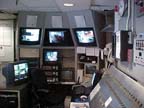
The common overall strategy is to seek a balance among security officers on premises; museum security and access policies; and the use and implementation of electronic security systems. Uniquely, there also are numerous national and international services to determine art frauds as well as to help recover lost and stolen artworks.
One ongoing challenge is how many security officers to employ at a facility; often the argument revolves around the number of officers per square foot of public space.
Cost vs. need
There have been numbers thrown around for years, according to Steve Keller, CPP, of Steven R. Keller & Associates, Ormond Beach, Fla. (www.stevekeller.com). The Independent security consultant specializes in the field of museums, libraries, cultural and historic properties.He believes there is no such (officer per square foot) formula. Writing in his popular Wed-based advice service, Keller says museum directors in need of dollar savings have repeatedly selected the most favorable one to support their position…regardless of how inappropriate it is for their situation.
He urges the security head to walk around the galleries and think about what a real officer can handle and make decisions based on common sense; sight lines; the value and importance and nature of the items being protected; and the display methods. The number can hinge on the number and placement of nearby doors and windows, crossover points to non-public space, quality and quantity of electronics such as alarms and cameras and response time from the nearest response point, among other issues.
Keller’s advice can also apply to facilities outside the museum category, too.
Electronic security’s role
Electronic security from burglar alarms and card access control of security video and specialty asset tracking gear play a growingly important role, too.The Dallas Museum of Art showed off new technology for hundreds of security executives at last year’s American Society for Industrial Security international conference. The tour of the museum showcased systems from Software House and American Dynamics, both part of Tyco Fire & Security’s Access Control and Video Systems business unit.
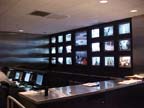
The 327,000-square-foot museum includes a 22-foot by 28-foot command center with raised flooring and an expandable video wall. All subsystems in the museum – including intercom units and security video – are managed by the C•CURE 800 system.
The museum features two card readers for employee entrances, nearly 50 card readers inside, 1,400 alarm points and 128 cameras that are fully integrated with the security management system.
SYSTEMSgroup of Dallas handled the eight-month installation project. “It definitely raises the bar in terms of integrating technology for museum security today,” said Michael Lagow of SYSTEMSGroup
Sidebar: Picture Plenty of Specialized Resources
One source is the Museum Security Network, Rechter Rottekade 1713032 XD Rotterdam, The Netherlands with Web site at www.museum-security.org.Another resource is IFAR, the International Foundation for Art Research at www.ifar.org.
There are numerous public and private so-called “stolen art” registry services, which send out alerts, post photos of artwork and descriptions of the incidents.
To reach Steve Keller, email steve@stevekeller.com.
Security magazine’s Web site – www.securitymagazine.com – has a gallery full of resources, too. Use the LINX search, powered by Google, at the opening Web page.
Looking for a reprint of this article?
From high-res PDFs to custom plaques, order your copy today!