The Top 3 Physical Security Trends of 2026
Physical security is no longer limited to cameras, access cards, alarms and security officers. Those tools still matter, but the way organizations use them is changing. In 2026, artificial intelligence is becoming part of daily security operations, physical security is more closely tied to enterprise technology, and workplace violence preparedness is receiving greater attention. Even with all of these changes, the fundamentals remain the same. Effective security depends on understanding human behavior, recognizing risk, collecting reliable information, and making sure people know how to respond when something goes wrong.
Three trends stand out this year: the practical use of artificial intelligence, the integration of physical security with other business systems, and the need for better workplace violence preparedness. Each trend offers real benefits, but none of them is a substitute for sound judgment and careful planning.
1. Artificial Intelligence Becomes Part of Everyday Security
Artificial intelligence has been discussed in the security industry for years. What is changing in 2026 is that organizations are beginning to use AI to address specific, day-to-day problems instead of simply talking about its future potential.
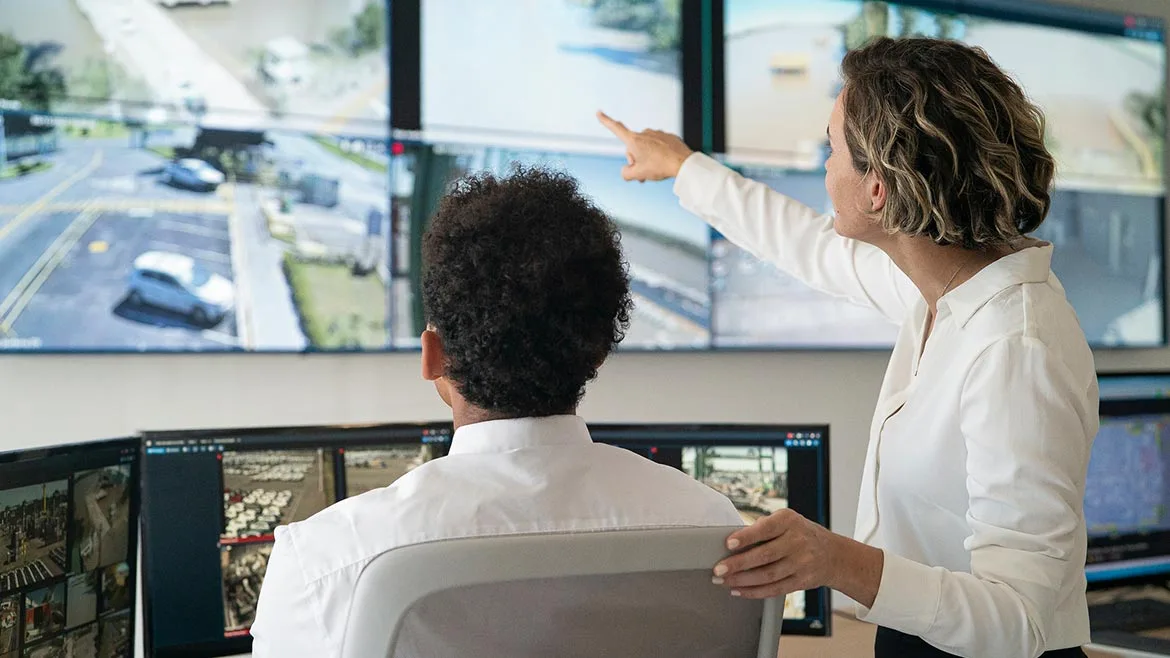
The Genetec 2026 State of Physical Security Report finds AI as one of the industry’s leading priorities. The Security Industry Association’s 2026 Security Megatrends report also highlights the growing influence of AI on security operations and technology. The practical applications are becoming easier to understand. AI-assisted systems can search hours of video, identify unusual activity, reduce false alarms, and help investigators find important evidence. Rather than requiring someone to watch dozens of camera feeds continuously, these systems can draw attention to events that may deserve a closer look.
That can be especially helpful for organizations managing large facilities or working with limited personnel. AI may allow security teams to use their time more effectively and improve their awareness of what is happening across a property. Still, an alert is not the same thing as a conclusion. If a system shows someone walking through an area at an unusual time, that person may be trespassing or may simply have a legitimate reason to be there. An automated notification does not prove misconduct.
Anyone who has worked on an investigation understands the importance of context. It is possible to gather a great deal of information and still reach the wrong conclusion if the circumstances surrounding that information are ignored.
There are also significant questions involving accuracy, privacy, bias, data retention, and accountability. Security leaders should be asking:
- How reliable are the system’s alerts?
- Who can access the information?
- How long will the data be kept?
- Can the organization explain how the system reached a conclusion?
- What happens when the technology gets it wrong?
AI should support the judgment of security professionals, not replace it. Its value will depend on how well organizations combine the technology with trained people who understand both its capabilities and its limitations.
2. Physical Security Becomes an Enterprise Responsibility
Physical security no longer works in isolation. It is increasingly connected to information technology, cybersecurity, human resources, facilities management, and business operations.
A camera may be mounted on a wall, but it is also a networked device. An access-control system may control a door, but it often connects to databases, cloud platforms, and employee records. These connections can make an organization more efficient and improve its response to an incident. They can also create new vulnerabilities.
Consider a few routine examples. A forced-door alarm may automatically display video from nearby cameras. When an employee leaves the company, the termination process may involve removing both physical and digital access. During an emergency, access-control records may help responders find who could still be inside a building. When those systems work together, security personnel can respond with better information. The challenge is making sure the connections are responsibly managed.
Weak passwords, outdated software, excessive user privileges, and poorly controlled vendor access can all create opportunities for unauthorized entry. Security leaders need to work with IT and cybersecurity teams on issues such as multifactor authentication, network segmentation, software updates, vendor risk, and access privileges.
This is not simply a technology issue. It is also a matter of communication and ownership.
An employee termination, for example, may involve human resources, IT, security, facilities, company property, and possibly an investigation. If each department assumes someone else is handling the process, an access card may remain active, equipment may not be recovered, or vital information may be overlooked.
The same problem can occur during an emergency. If employees and managers are unclear about their responsibilities before an incident occurs, confusion will likely follow when the pressure is on.
In my experience, security problems rarely follow an organizational chart. A problem that begins with a personnel issue can quickly become a facility, technology, safety, or business-continuity issue. For that reason, physical security can no longer be treated as the responsibility of the security department alone. It has become part of broader enterprise risk management.
3. Workplace Violence Preparedness Must Go Beyond Having a Plan
Workplace violence is still one of the most serious concerns facing organizations. The issue is broader than active-shooter incidents. It can include threats, escalating disputes, intimidation, stalking, domestic violence that reaches the workplace, and other concerning behavior.
A 2026 active-assailant preparedness study by ASIS International, sponsored by Everbridge surveyed 875 security professionals. Workplace violence and active-shooter incidents ranked as the leading security concerns among respondents. The study also found that only 39% of participants were highly or mostly confident in their organization’s preparedness for an active-assailant incident. Just 32% believed their organization could notify everyone in an affected facility or campus within seconds.
Those findings should cause organizations to take a hard look at their preparedness. Do they have a functioning response program, or do they simply have a written plan that has never been tested?
A written emergency plan is an important starting point, but it is not proof of readiness. Organizations need to test communication systems, train employees, practice decision-making, and coordinate with police, fire, emergency medical services, and other response agencies. Exercises often reveal weaknesses that are easy to miss on paper. A notification system may not reach everyone. Employees may not know where to report. Managers may be uncertain about who has authority to make decisions. These problems are much easier to correct during a planned exercise than during an actual emergency.
Prevention also requires a clear process for recognizing and addressing concerning behavior. Security cameras and access-control systems can provide useful information, but they cannot replace reporting procedures, trained personnel, and thoughtful threat assessment. Behavioral threat assessment and management teams can bring together security, human resources, legal counsel, and management to evaluate concerns and find a suitable response. In many cases, essential information is spread across several departments.
A supervisor may know about a workplace dispute. Human resources may have received a complaint. Security may have documented an earlier incident. If no one connects those pieces of information, an opportunity to intervene may be missed. This does not mean every disagreement or frustrated employee represents a serious threat. It means organizations need a consistent and fair process for evaluating behavior instead of relying on assumptions or waiting for a situation to become dangerous.
My investigative experience has reinforced the importance of gathering facts, considering behavior in context, and avoiding premature conclusions. AI may help identify patterns, organize reports, and manage information, but it cannot replace professional judgment. Preparedness must also include what happens after the immediate danger has passed. Employee support, recovery, business continuity, and communication are all important parts of an effective response.
Looking Ahead
As 2026 continues, physical security is becoming more connected, more technology-driven, and more closely tied to the rest of the organization. AI is creating new ways to analyze information. Connected systems are improving situational awareness. Workplace violence concerns remind organizations that preparation requires more than policies and procedures.
Before investing in a new security system or launching another initiative, leaders should ask:
- Are we using technology to solve a specific problem?
- Are the right departments and people working together?
- Have we evaluated our response procedures?
- Do employees know what they are expected to do?
- Can we recognize and address warning signs before they become an emergency?
These questions will remain important as the industry looks toward 2027. AI capabilities will continue to develop, connected systems will become more common, and organizations will face new and changing threats. The most effective security programs will not be the ones with the most technology. They will be the ones that use technology thoughtfully, bring the right people together, and prepare before an incident occurs.
Technology will continue to change. The fundamentals of effective security will not.
Looking for a reprint of this article?
From high-res PDFs to custom plaques, order your copy today!