Target’s Source Code Confirmed Stolen: Why Does This Matter?
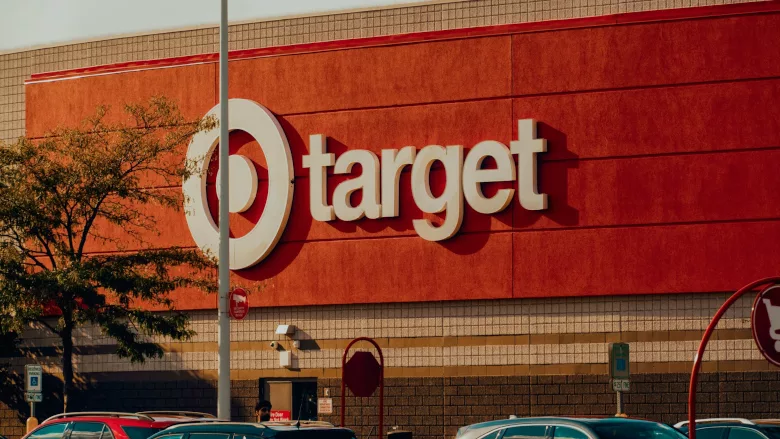
On Jan. 12., BleepingComputer reported that multiple repositories appeared on Gitea, apparently containing parts of internal code and developer documentation belonging to the major retailer Target. As of today, Jan. 13, multiple employees of the retailer have confirmed the leaked materials are authentic.
As of current reports, the threat actor behind this incident is unknown. Likewise, it is unclear whether this exposure is due to a leakage, a breach or an insider’s action.
The dataset is approximately 860GB, according to the threat actor. Target has since removed the files from online access, and the organization’s Git server was likewise made inaccessible. Target has not responded to any communications from BleepingComputer on the nature of the incident.
Why This Matters
The incident in question pertains to a loss of source code rather than individuals’ data. While both are concerning losses, the theft of source code adds a new layer to the challenges an organization may face down the road.
“Unlike breaches that focus on customer data, a compromise of development infrastructure exposes the blueprints of how a company’s systems operate,” explains Steve Cobb, Chief Information Security Officer at SecurityScorecard. “Once engineering assets surface publicly, even briefly, the spread becomes extremely difficult to contain and can create opportunities for deeper compromise.”
The loss of source code could leave organizations vulnerable to more cyber incidents in the future. Therefore, defending internal assets is key.
“For large enterprises, this reinforces the need to protect development systems with the same rigor as customer-facing environments,” Cobb asserts. “Internal servers, pipelines, and documentation platforms often contain credentials, architectural details, and operational logic that attackers can use to fuel future attacks or enable supply chain compromise. Without continuous monitoring and strong access controls, a single lapse in the development ecosystem can create long term vulnerabilities across the organization.”
Looking for a reprint of this article?
From high-res PDFs to custom plaques, order your copy today!