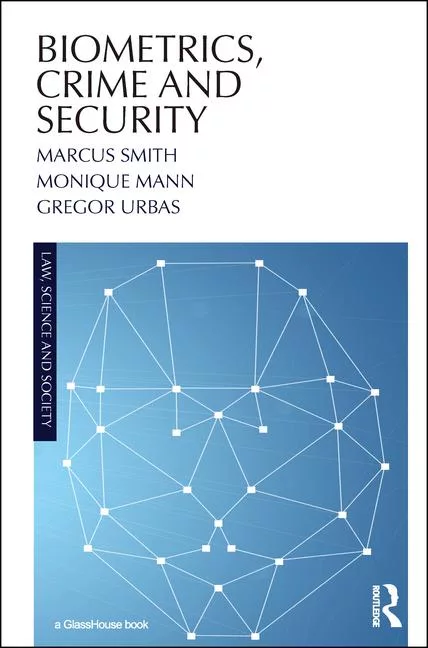
Biometrics Security Technology: The Future Now
Although biometric security technology has been around for years and is a reasonably mature product, adoption is shockingly low, particularly in the business world.
Biometrics is the study of measurable biological characteristics. There are several types of biometric identification schemes: facial characteristics, fingerprints, hand geometry, retina and iris scanning, capillary mapping, voice and signature recognition. Biometric technologies are not science fiction props or technology widgets anymore. They are a viable, cost-effective technology solution to some of the more difficult business security issues.
In IT security alone, it is estimated that the average computer user calls his or her company help desk 21 times each year and that 30 percent of help desk calls are for password resets, as reported by the META Group. The average cost of a help desk call is $25, so a company with 1,000 users can spend more than $160,000 annually on password resets alone. A one-time equipment charge of $50 per user for an integrated fingerprint solution can eliminate that memory lapse charge. Similarly, for physical access control, consider the expense of issuing and updating electronic ID cards, as well as the labor and material expenses of dealing with lost or forgotten ID cards. Biometrics could cost considerably less in the long run.
Some factories are replacing timecards with hand geometry, which provides both identity validation and physical access control. Employee identity and presence is quickly confirmed, without the need to search for, punch and replace timecards. The accuracy rate is high, the process saves considerable time and while timecards can be falsified, hand geometry cannot.
Casino industry security has long used facial geometry, employing cameras to monitor individuals as they enter and leave a property. If an individual who has been banned from a casino tries to enter, he is quickly identified by the system, security is notified and the individual is escorted off of the premises.
In another application to enhance physical security, airports use movement identification solutions to monitor for threatening behaviors, such as leaving a bag unattended. In such instances, biometrics elevates security to a level that cannot be replicated by manpower alone.
The lack of a universal technology standard for back-end biometrics software has slowed the adoption of biometrics. Manufacturers’ technologies are not necessarily interchangeable or interoperable, which means that adopters – for now – are resistant to change once they have invested in a system. There is considerable work to be done on this front, but as standards evolve and understanding of biometrics benefits grows, adoption of the technology is expected to grow exponentially.
Biometrics is the study of measurable biological characteristics. There are several types of biometric identification schemes: facial characteristics, fingerprints, hand geometry, retina and iris scanning, capillary mapping, voice and signature recognition. Biometric technologies are not science fiction props or technology widgets anymore. They are a viable, cost-effective technology solution to some of the more difficult business security issues.
In IT security alone, it is estimated that the average computer user calls his or her company help desk 21 times each year and that 30 percent of help desk calls are for password resets, as reported by the META Group. The average cost of a help desk call is $25, so a company with 1,000 users can spend more than $160,000 annually on password resets alone. A one-time equipment charge of $50 per user for an integrated fingerprint solution can eliminate that memory lapse charge. Similarly, for physical access control, consider the expense of issuing and updating electronic ID cards, as well as the labor and material expenses of dealing with lost or forgotten ID cards. Biometrics could cost considerably less in the long run.
Biometrics are Better
Fingerprint recognition is more than a giant leap beyond password or card protection. Users can share (or steal) passwords and electronic ID cards when using conventional methods. Fingerprints and other biometrics, on the other hand, conclusively establish an individual’s identity, and are virtually impossible to replicate. Fingerprints, hands and eyes will also not be left at home in one’s rush to work or at the end of a long day.Some factories are replacing timecards with hand geometry, which provides both identity validation and physical access control. Employee identity and presence is quickly confirmed, without the need to search for, punch and replace timecards. The accuracy rate is high, the process saves considerable time and while timecards can be falsified, hand geometry cannot.
Casino industry security has long used facial geometry, employing cameras to monitor individuals as they enter and leave a property. If an individual who has been banned from a casino tries to enter, he is quickly identified by the system, security is notified and the individual is escorted off of the premises.
In another application to enhance physical security, airports use movement identification solutions to monitor for threatening behaviors, such as leaving a bag unattended. In such instances, biometrics elevates security to a level that cannot be replicated by manpower alone.
The Future of Biometrics
Fingerprint capillary mapping is one area that shows great promise, and adoption is picking up rapidly. Facial recognition combined with action identification technology is another powerful tool that is increasingly being used. For example, this technology is used in the London subway system to monitor passenger identity and threatening behaviors.The lack of a universal technology standard for back-end biometrics software has slowed the adoption of biometrics. Manufacturers’ technologies are not necessarily interchangeable or interoperable, which means that adopters – for now – are resistant to change once they have invested in a system. There is considerable work to be done on this front, but as standards evolve and understanding of biometrics benefits grows, adoption of the technology is expected to grow exponentially.
Looking for a reprint of this article?
From high-res PDFs to custom plaques, order your copy today!